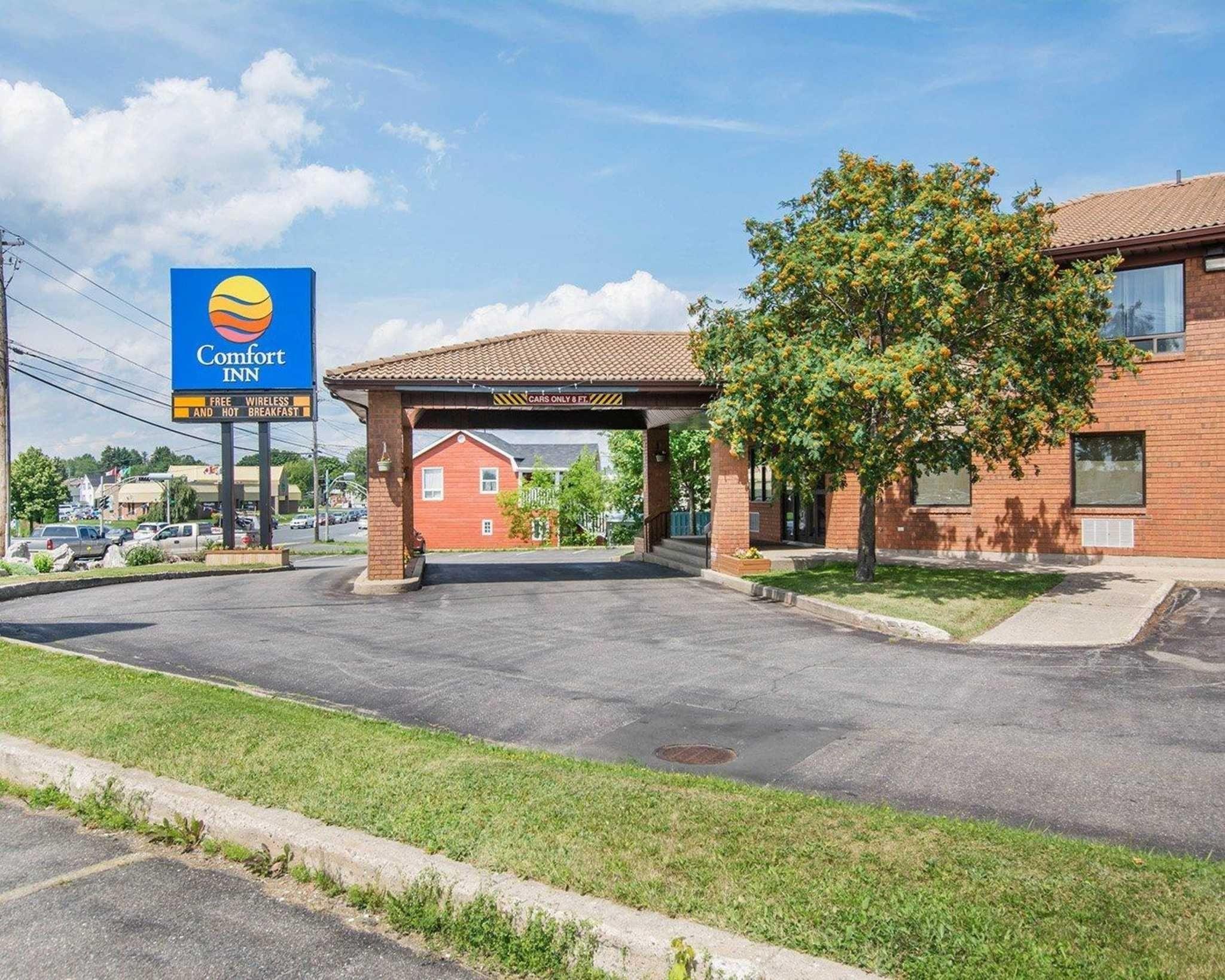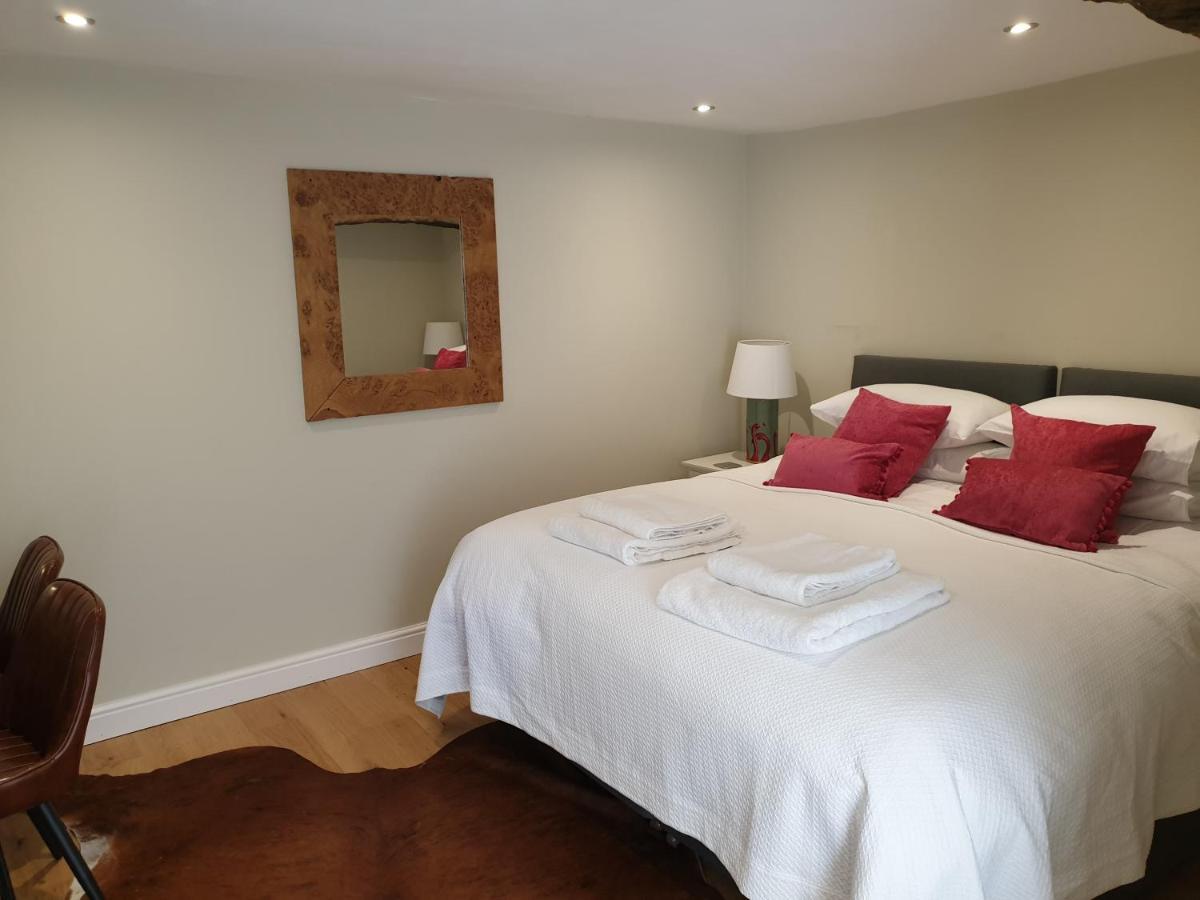
Gloucestershire sits at the heart of the English countryside, combining Cotswold villages, medieval market towns, and cathedral cities into one of the UK's most visited rural counties. These four inn hotels offer a grounded, characterful alternative to generic chain accommodation - each rooted in a specific town and connected to local food, walking routes, and regional landmarks.
What It's Like Staying in Gloucestershire
Gloucestershire is one of England's most geographically varied counties, stretching from the Cotswold escarpment in the east to the Forest of Dean in the west, with the city of Gloucester anchoring the centre. Getting around requires planning - public transport between villages is limited, and a car is essential for accessing smaller towns like Northleach or Arlingham. Cheltenham is the exception, with regular rail links to London Paddington in around 2 hours, making it a practical base for those arriving without a vehicle. Visitor numbers peak sharply between May and September, particularly in Cotswold hotspots like Bourton-on-the-Water and Bibury, where roads can become congested by mid-morning. Gloucestershire suits slow travellers - walkers, cyclists, food-focused visitors, and those exploring the wider South West - rather than those seeking a city-break pace.
Pros:
- Direct access to the Cotswolds AONB, the Severn Vale, and multiple heritage sites within around 40 km of most inn locations
- Inn accommodation integrates naturally into village settings, with local pubs, farm shops, and market days adding genuine character
- Lower nightly rates compared to Bath or Oxford for equivalent quality, making multi-night stays more affordable
Cons:
- Without a car, movement between villages and countryside attractions is severely restricted
- Summer weekends see sharp price increases and limited last-minute availability at quality inns
- Mobile signal and broadband connectivity can be unreliable in more rural parishes
Why Choose Inn Hotels in Gloucestershire
Inns in Gloucestershire occupy a distinct niche: they are typically historic buildings - many dating to the 17th or 19th century - with working restaurants and bars that serve both guests and locals, giving stays an authenticity that purpose-built hotels rarely deliver. Unlike B&Bs, most inns operate full food and drink service, meaning guests can eat well without needing to drive elsewhere in the evenings. Room counts are small, usually under 15 rooms per property, which translates to quieter corridors, more attentive service, and a stronger sense of place. Nightly rates at Gloucestershire inns are generally positioned below equivalent countryside hotels, often offering full English breakfast included - a meaningful practical saving. The trade-off is that rooms can be compact, and noise from the bar area below is a realistic consideration at ground-floor rooms on busy weekend evenings.
Pros:
- On-site restaurants serving local and British cuisine mean no need for a car after check-in for evening meals
- Included or well-priced breakfasts - Full English and vegetarian options - are standard across most properties
- Smaller room counts create a quieter, more personal atmosphere than larger rural hotels
Cons:
- Bar noise can penetrate rooms on Friday and Saturday evenings, particularly in village inns with local trade
- Room sizes are typically smaller than equivalent-priced hotel rooms, with limited wardrobe and storage space
- Availability at well-reviewed inns drops sharply around Cheltenham Festival race weeks and summer bank holidays
Practical Booking & Area Strategy
Gloucestershire's inn hotels are spread across distinct micro-locations, each with different practical implications. Cheltenham offers the best transport connectivity in the county, with regular trains and a central position that puts the Cotswolds, Gloucester Cathedral, and Tewkesbury Abbey all within easy reach. Northleach, a small market town on the A40, sits centrally within the Cotswolds and is well-placed for reaching both Cirencester and Bourton-on-the-Water without joining the main tourist traffic. Tetbury, in the south of the county, is known for its antique shops and is within around 22 km of Cotswold Water Park - a useful base for active visitors. Gloucester and the Severn villages like Arlingham offer a quieter, less commercialised experience, with the Severn Way walking route and a direct road into Gloucester city centre for visiting the cathedral and docks. For festival periods - particularly the Cheltenham Festival in March and the Cheltenham Literature Festival in October - book at least 8 weeks in advance, as quality inns fill quickly and prices at Cheltenham properties can rise sharply.
Best Value Stays
These inns deliver strong practical value through included breakfasts, free parking, and on-site dining - key advantages when staying in rural Gloucestershire where evening transport options are limited.
-
1. Trouble House
Show on map


 Check-infrom 14:00 until 22:30Check-outfrom 09:00 until 11:00
Just a few rooms left at the best rate!
from£ 134
-
2. The Red Lion Arlingham
Show on map


 Check-infrom 15:00 until 22:00Check-outfrom 09:00 until 12:00
Just a few rooms left at the best rate!
from£ 93
Best Premium Stays
These inns stand out for their location in larger towns with better connectivity, historic building character, and broader dining options - suited to visitors who want more than just a rural stopover.
-
3. The Mousetrap Inn
Show on map


 Check-infrom 15:00 until 20:00Check-outuntil 10:00
Hurry – almost gone at this price!
from£ 88
-
2. The Sherborne Arms
Show on map


 Check-infrom 15:00 until 21:00Check-outuntil 11:00
Rooms filling fast – secure the best rate!
from£ 195
Smart Travel & Timing Advice
Gloucestershire's peak travel window runs from late May through early September, driven by Cotswold tourism, school holidays, and outdoor event calendars. During this period, well-reviewed inns - particularly those in Tetbury, Cheltenham, and the Cotswold villages - fill weeks in advance, and nightly rates can increase by around 35% compared to mid-winter pricing. March is the most disruptive month for Cheltenham: the Cheltenham Festival horse-racing event (typically mid-March) creates a county-wide accommodation squeeze, with The Mousetrap Inn and nearby properties often fully booked 3 months ahead. For the best combination of good weather, manageable crowds, and reasonable pricing, late April and October are the most tactically sound periods to visit - foliage in the Cotswolds is particularly strong in autumn, and most inns remain fully operational. A minimum stay of 2 nights is strongly advisable for guests using rural inns as a base: single-night stays do not allow enough time to reach multiple Cotswold towns, use the walking routes, and benefit from the slower, food-centred rhythm that makes inn stays in Gloucestershire worthwhile. Last-minute availability occasionally appears mid-week in November through February, but the trade-off is reduced daylight hours and some seasonal restaurant closures in smaller villages.