Acadia - spanning the Atlantic provinces of New Brunswick, Nova Scotia, and Prince Edward Island - offers a distinct travel experience shaped by Francophone heritage, dramatic coastal landscapes, and a slower, more authentic pace than most Canadian tourist corridors. Staying at an inn in this region puts you closer to that character: smaller properties, localized service, and settings that chain hotels simply can't replicate. This guide covers 6 carefully selected inn hotels across Acadian territory to help you choose the right base for your trip.
What It's Like Staying in Acadia
Acadia is not a single city - it's a cultural and geographic corridor stretching across coastal New Brunswick, the Annapolis Valley of Nova Scotia, and the red-sand shores of Prince Edward Island. Most destinations within this region are small towns or rural areas, which means car travel is essential; public transit is minimal or non-existent outside of Moncton and Charlottetown. Inns here tend to be the dominant accommodation format precisely because the region lacks the density for large hotel chains, making them the most authentic and often the most practical option.
Crowd patterns vary sharply by season. The Acadian coastline draws around 60% of its annual visitors between late June and early September, so shoulder season - May or October - offers a noticeably quieter and more affordable experience. Travelers who come for hiking, cycling, and cultural festivals like the Festival Acadien de Caraquet will find the region rewarding; those expecting urban amenities or walkable dining scenes may feel limited in smaller hubs like Bouctouche or Wolfville.
Pros:
- Deeply authentic Acadian culture, French-language signage, and local culinary traditions unavailable in generic Canadian tourist zones
- Inns are typically the best-positioned properties in each town, often near waterfronts, historic districts, or natural park access
- Lower accommodation costs than major Canadian cities, with strong value at the inn category level
Cons:
- A personal vehicle is essentially required for any itinerary spanning multiple Acadian communities
- Dining and entertainment options close early in smaller towns, especially outside of peak summer weeks
- Booking windows are tight in July and August - last-minute availability at quality inns drops sharply during festival periods
Why Choose Inn Hotels in Acadia
Inn hotels in Acadia are not simply smaller versions of chain properties - they are structurally different stays. Most operate with under 40 rooms, which translates into quieter corridors, more personalized front-desk interactions, and properties that are often heritage buildings with architectural character. In a region where the cultural identity is a core part of the travel draw, staying at an inn reinforces that experience rather than working against it.
From a practical standpoint, inns in Acadia are typically priced 20-30% below comparable urban boutique hotels in cities like Halifax or Quebec City, while frequently offering more space per room and amenities like gardens, hot tubs, or on-site restaurants. The trade-off is that some properties have limited reception hours, fewer accessibility features, and room counts too small to absorb walk-in demand during peak season. Travelers who book early get the best rooms; those arriving in August without reservations often find these properties fully committed weeks in advance.
Pros:
- Heritage buildings and garden settings common across Acadian inns provide a sense of place unavailable at roadside chains
- On-site wellness amenities - hot tubs, saunas, indoor pools - appear at several Acadian inns at no additional nightly cost
- Inns in this region frequently include breakfast or have on-site dining, reducing the need to drive into town for every meal
Cons:
- Room inventory is small, making peak-season availability genuinely scarce without advance planning
- Accessibility infrastructure for guests with mobility needs is inconsistent across older inn buildings
- Some properties have limited or no evening staffing, which can be inconvenient for late arrivals
Practical Booking & Area Strategy
Acadia's geography means your choice of base matters significantly. Moncton is the region's most connected hub, with the Greater Moncton Roméo LeBlanc International Airport linking to most major Canadian cities, making it the logical arrival and departure point for multi-destination itineraries across New Brunswick and PEI. From Moncton, Bouctouche is a straightforward 60 km north along the coast, while Charlottetown on PEI requires crossing the Confederation Bridge - a 13-kilometre fixed-link crossing that adds roughly 45 minutes to the drive.
In Nova Scotia, Wolfville sits in the Annapolis Valley wine country, approximately 96 km from Halifax Stanfield International Airport - a scenic but time-consuming drive that makes it better suited to travelers spending multiple nights rather than passing through. For PEI, Brackley Beach offers direct access to Prince Edward Island National Park, with Charlottetown's services around 18 km away. Booking at least 6 weeks ahead is strongly advised for July and August, particularly for inns near the coastline or national park zones where inventory is limited and demand from both Canadian and American tourists spikes simultaneously. Key attractions to plan around include the Confederation Trail cycling network, the Irving Eco-Centre in Bouctouche, Cape Breton Highlands day trips from Nova Scotia, and the red-sand beaches of PEI's north shore.
Best Value Inn Stays in Acadia
These properties offer strong practical value across Acadia's most accessible towns, with reliable amenities, straightforward access to regional attractions, and pricing that suits both leisure and business travelers.
-
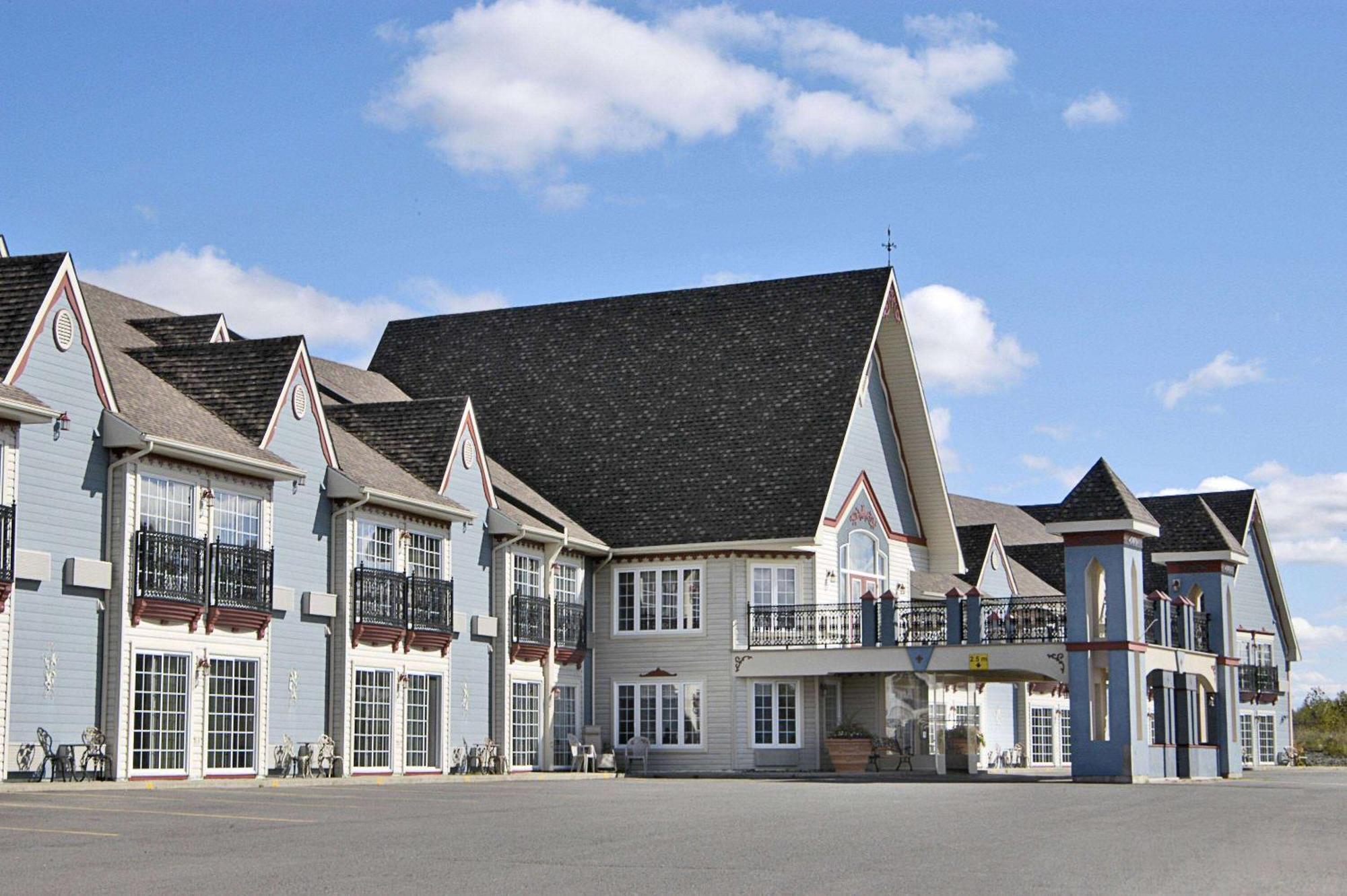
1. Auberge Bouctouche Inn & Suites
Show on map


 Check-infrom 15:00 until 23:59Check-outuntil 11:00
Just a few rooms left at the best rate!
fromC$ 206
-
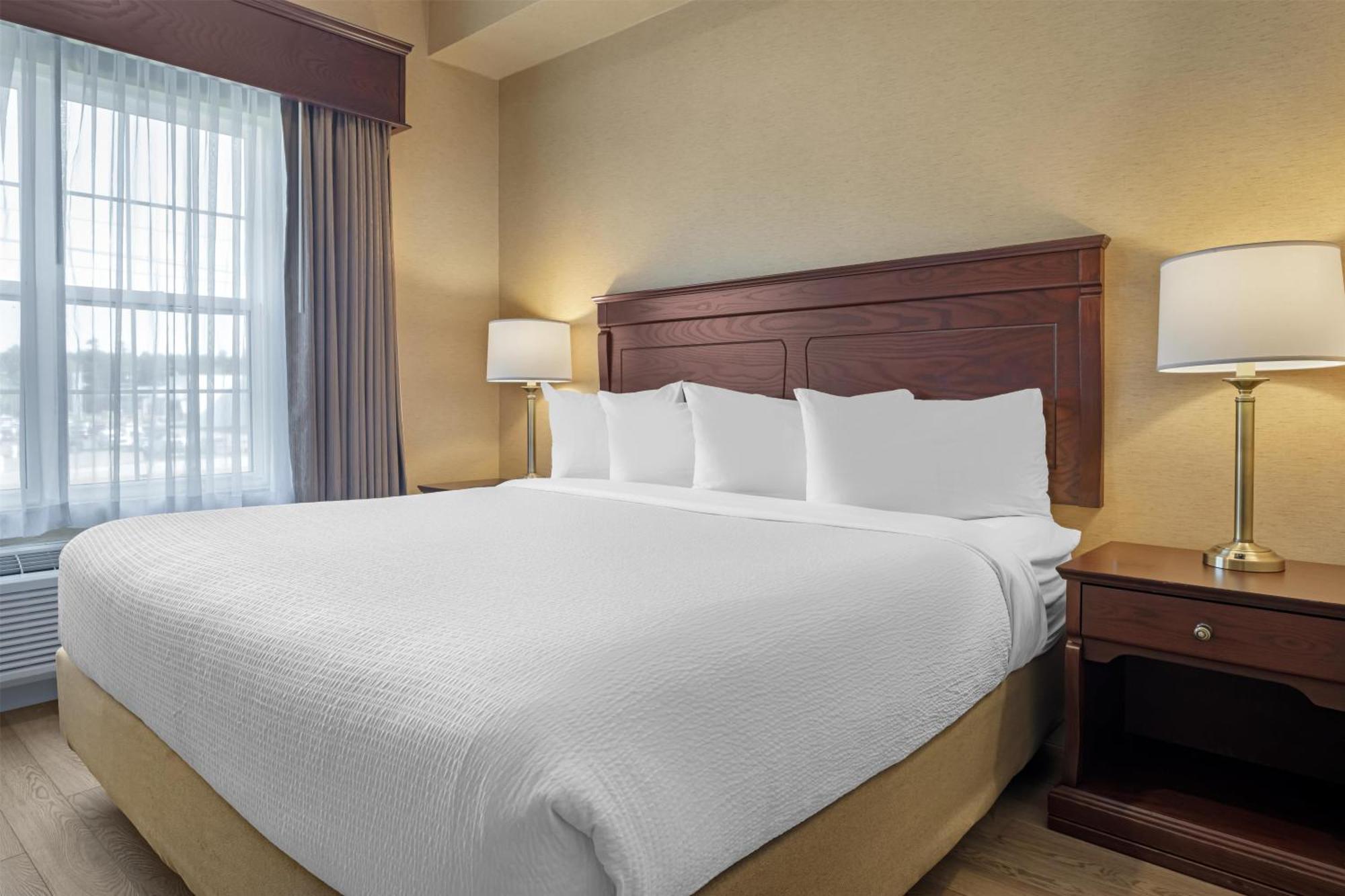
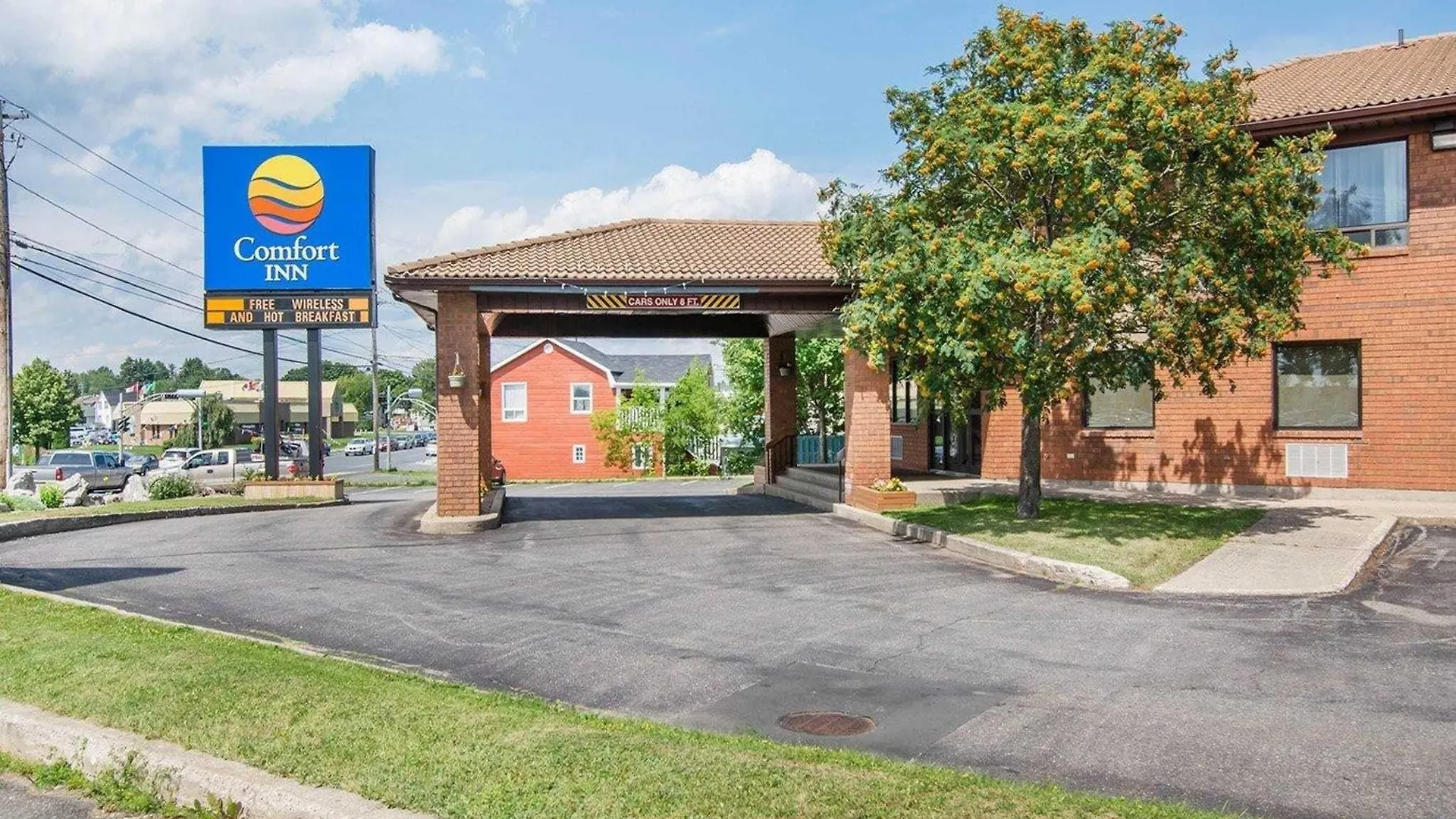
2. Comfort Inn
Show on map


 Check-infrom 15:00 until 23:59Check-outuntil 11:00
Just a few rooms left at the best rate!
fromC$ 126
-
3. Quality Inn
Show on map


 Check-infrom 15:00 until 23:59Check-outuntil 11:00
Hurry – almost gone at this price!
fromC$ 92
- Show on map
Best price guarantee
Best Premium Inn Stays in Acadia
These two properties offer elevated amenities, more refined settings, or direct access to Acadia's most sought-after natural environments, justifying a higher nightly investment for travelers prioritizing experience over economy.
-
5. Brackley Beach Northwinds
Show on map


 Check-infrom 16:00 until 22:00Check-outfrom 07:00 until 11:00
Hurry – almost gone at this price!
fromC$ 288
-
6. Blomidon Inn
Show on map


 Check-infrom 15:00 until 22:00Check-outfrom 07:00 until 11:00
Rooms filling fast – secure the best rate!
fromC$ 199
Smart Travel & Timing Advice for Acadia Inns
The Acadian tourism season is sharply compressed. July and August account for the majority of annual visitor volume, and inn properties - with their limited room counts - fill faster than larger hotels. Travelers targeting the Festival Acadien de Caraquet (held each August in northern New Brunswick) should book at least 8 weeks in advance, as accommodation within 50 km of the festival grounds becomes extremely scarce. PEI's north shore inns near Brackley Beach face similar pressure, particularly during Lobster season and Canada Day week.
Shoulder season - specifically late May through mid-June and September through early October - offers the most favorable combination of pricing and experience. Crowds are around 40% thinner than peak summer, most attractions remain open, and coastal weather in the Annapolis Valley and Northumberland Shore is often mild and clear. September is particularly strong for wine country visits near Wolfville, as harvest season activates local wineries and restaurants. For budget-conscious travelers, a Sunday or Monday arrival at Acadian inns consistently yields lower nightly rates than Friday or Saturday. A minimum stay of 3 nights is worth planning for any single base - the dispersed geography of Acadia makes one-night stops logistically inefficient and expensive relative to what you experience.