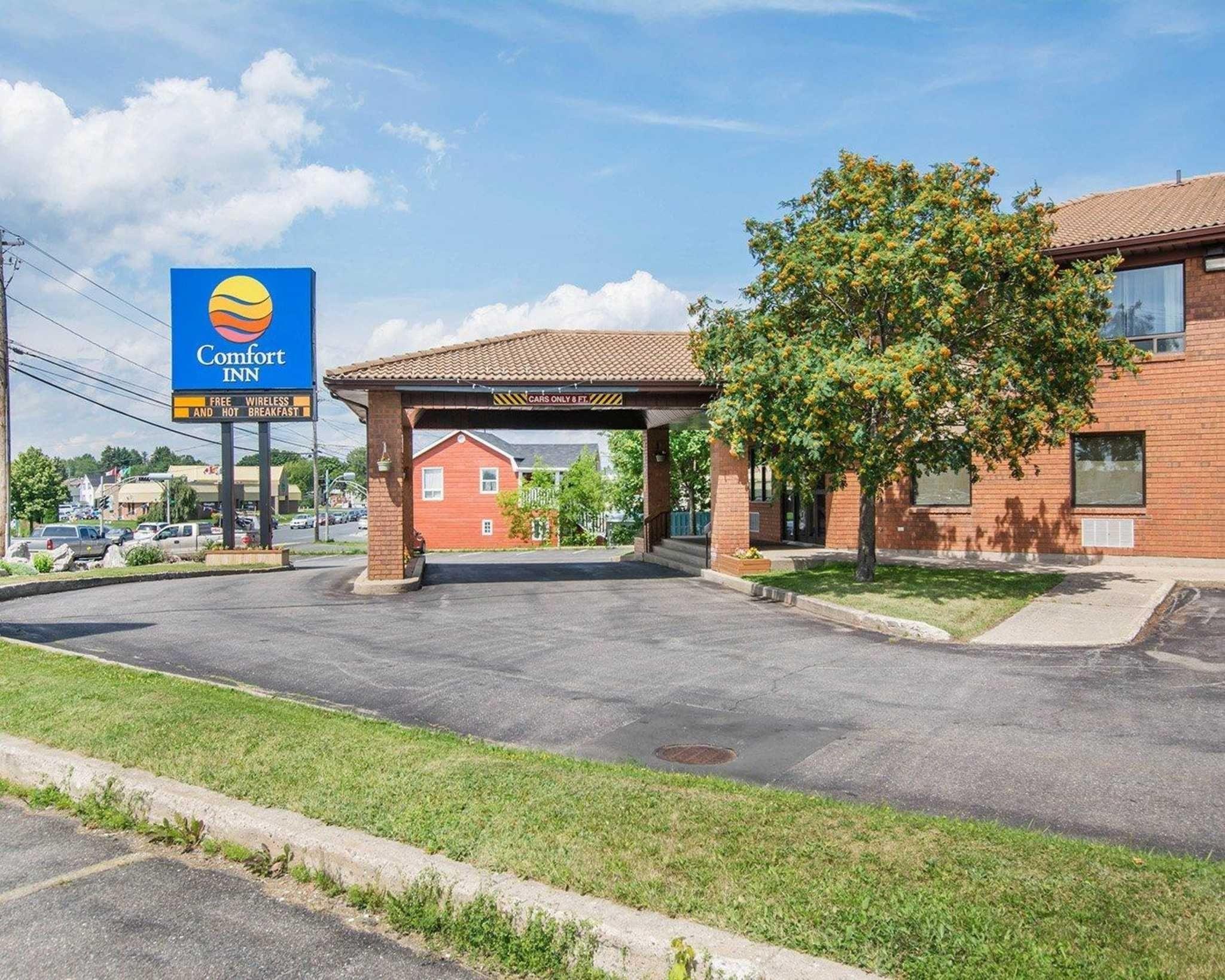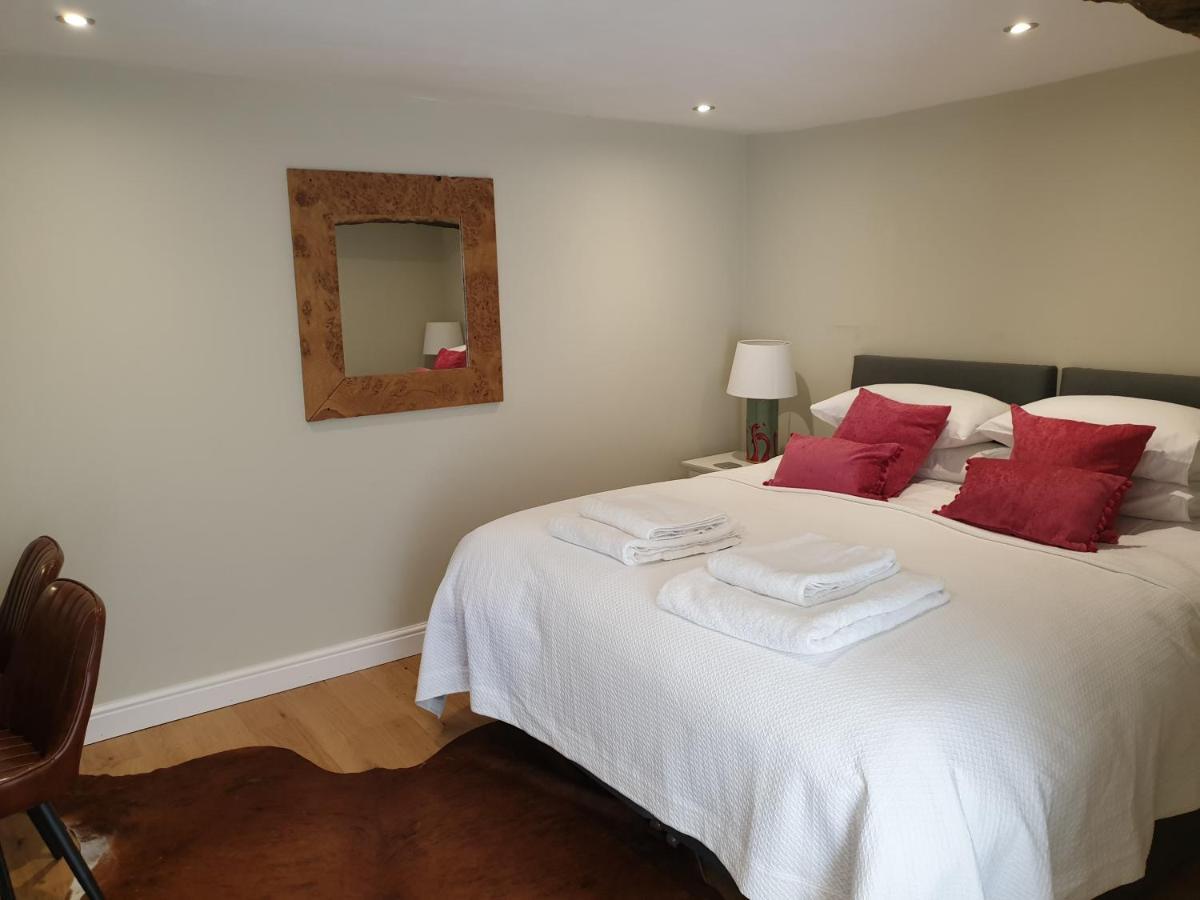
The Cotswolds is one of England's most visited rural regions, and its traditional inns are the most authentic way to experience it - combining locally sourced food, real ale bars, and stone-built charm within walking distance of market towns and footpaths. This guide covers 6 carefully selected inn hotels across the region, from Tetbury and Northleach to Cheltenham and Bradford on Avon, helping you choose the right base for your stay.
What It's Like Staying in the Cotswolds
The Cotswolds stretches across around 800 square miles of rolling limestone hills, honey-stone villages, and market towns - and staying here means trading urban convenience for genuine countryside immersion. Transport is almost entirely car-dependent outside of Cheltenham, which has regular rail links to London Paddington in around 2 hours, so planning your base carefully matters. Walkers, cyclists, and heritage seekers benefit most from staying in the region itself, while those prioritising nightlife or fast city connections are better served by Bath or Bristol as a base.
Pros:
- Immediate access to AONB walking routes, cycling trails, and historic market towns like Cirencester and Bourton-on-the-Water
- Inn stays offer an authentically local experience unavailable in chain hotels - locally brewed ales, regional menus, and genuinely characterful rooms
- Free parking is standard at most rural inns, eliminating a significant daily cost compared to city-centre hotels
Cons:
- A car is essentially mandatory for most Cotswolds itineraries - public transport between villages is infrequent and slow
- Peak season (May to September) sees heavy tourist traffic on key routes like the B4632 through Broadway and the A429 near Bourton-on-the-Water
- Village inn rooms tend to be compact by design, and noise from bar areas below can be a factor in older stone buildings
Why Choose an Inn Hotel in the Cotswolds
Cotswolds inn hotels occupy a distinct niche - they are not boutique hotels, not B&Bs, and not chain properties. They function as the social and culinary hub of their village, typically serving Full English breakfasts, locally sourced evening menus, and real ales drawn from regional breweries like Donnington or Uley. Prices at Cotswolds inns typically run lower than equivalent boutique hotels in the same postcodes, while still delivering ensuite rooms, private parking, and restaurant access. The trade-off is room size - inn rooms are historically proportioned, often without the space of a purpose-built hotel room - and the ambient noise of an active bar below is a reality in most properties.
Pros:
- On-site restaurants serving British and regional cuisine remove the need for a car to reach dinner in the evenings
- Free parking is almost universally included, a significant advantage over Bath or Cheltenham city-centre hotels where parking can cost around £20 per day
- Inn stays place guests in genuine village settings, with walking access to footpaths and local landmarks unavailable from urban hotel bases
Cons:
- Rooms are typically smaller than hotel-standard and may lack modern amenities like air conditioning or soundproofing
- Bar noise on Friday and Saturday evenings can disturb light sleepers in ground-floor or adjacent rooms
- Availability in peak summer months drops quickly - popular inns near Bourton-on-the-Water or the Slaughters book out weeks in advance
Practical Booking & Area Strategy for the Cotswolds
The Cotswolds spans parts of Gloucestershire, Oxfordshire, Wiltshire, and Worcestershire, so choosing the right town as your base shapes the entire trip. Cheltenham is the strongest transport hub, with direct trains to London, Bristol, and Birmingham, making it the logical anchor for visitors without a car. Tetbury, Northleach, and Bradford on Avon suit self-driving visitors who want quieter, more village-oriented stays with direct access to the wider countryside.
For attractions, the key draws include Bourton-on-the-Water, the Slaughters, Bibury's Arlington Row, Lacock Abbey, and Blenheim Palace on the eastern edge of the region. Guests based in Northleach sit centrally within the AONB, within roughly 30 minutes' drive of both Cirencester to the south and Bourton-on-the-Water to the north. Hilperton and Bradford on Avon serve as excellent bases for day trips to Bath, Lacock, and Castle Combe, with Bath Spa train station reachable in around 15 minutes by train from Trowbridge.
Best Value Stays
These inns deliver strong practical value - free parking, on-site dining, and genuine Cotswolds character - at accessible price points across key areas of the region.
-
1. Trouble House
Show on map


 Check-infrom 14:00 until 22:30Check-outfrom 09:00 until 11:00
Just a few rooms left at the best rate!
from£ 134
-
2. The Sherborne Arms
Show on map


 Check-infrom 15:00 until 21:00Check-outuntil 11:00
Just a few rooms left at the best rate!
from£ 195
-
3. Lion And Fiddle
Show on map


 Check-infrom 17:00 until 22:00Check-outfrom 07:00 until 10:00
Hurry – almost gone at this price!
from£ 80
-
4. The Red Lion Arlingham
Show on map


 Check-infrom 15:00 until 22:00Check-outfrom 09:00 until 12:00
Hurry – almost gone at this price!
from£ 93
Best Premium Stays
These inns offer stronger location advantages - proximity to Bath, Bradford on Avon, and Cheltenham - combined with well-equipped rooms and on-site dining, suiting travellers who want convenience alongside countryside character.
-
5. The Mousetrap Inn
Show on map


 Check-infrom 15:00 until 20:00Check-outuntil 10:00
Rooms filling fast – secure the best rate!
from£ 88
-
2. The Castle Inn Bradford On Avon
Show on map


 Check-infrom 15:00 until 22:00Check-outfrom 10:00 until 11:00
Rooms filling fast – secure the best rate!
from£ 123
Smart Travel & Timing Advice for Cotswolds Inns
The Cotswolds peaks sharply between late May and early September, when village car parks fill before 10am in Bourton-on-the-Water and Bibury, and inn availability drops significantly across the region. Booking 6 weeks or more in advance is the minimum for summer weekends, particularly for inns near Bath, Cheltenham, and the most photographed villages. Prices at Cotswolds inns typically rise by around 30% between July and August compared to the shoulder months of April and October.
Late September through November offers a compelling alternative - foliage colour on the beech-lined escarpments, significantly reduced crowds, and inn rates that return to base pricing. A 2-night minimum stay is the practical threshold for the Cotswolds - one night rarely allows enough time to cover more than a single area. The quietest period, January through March, suits walkers and those prioritising cost, though some village inns reduce kitchen hours mid-week in the off-season, so confirming restaurant availability before booking is advisable.