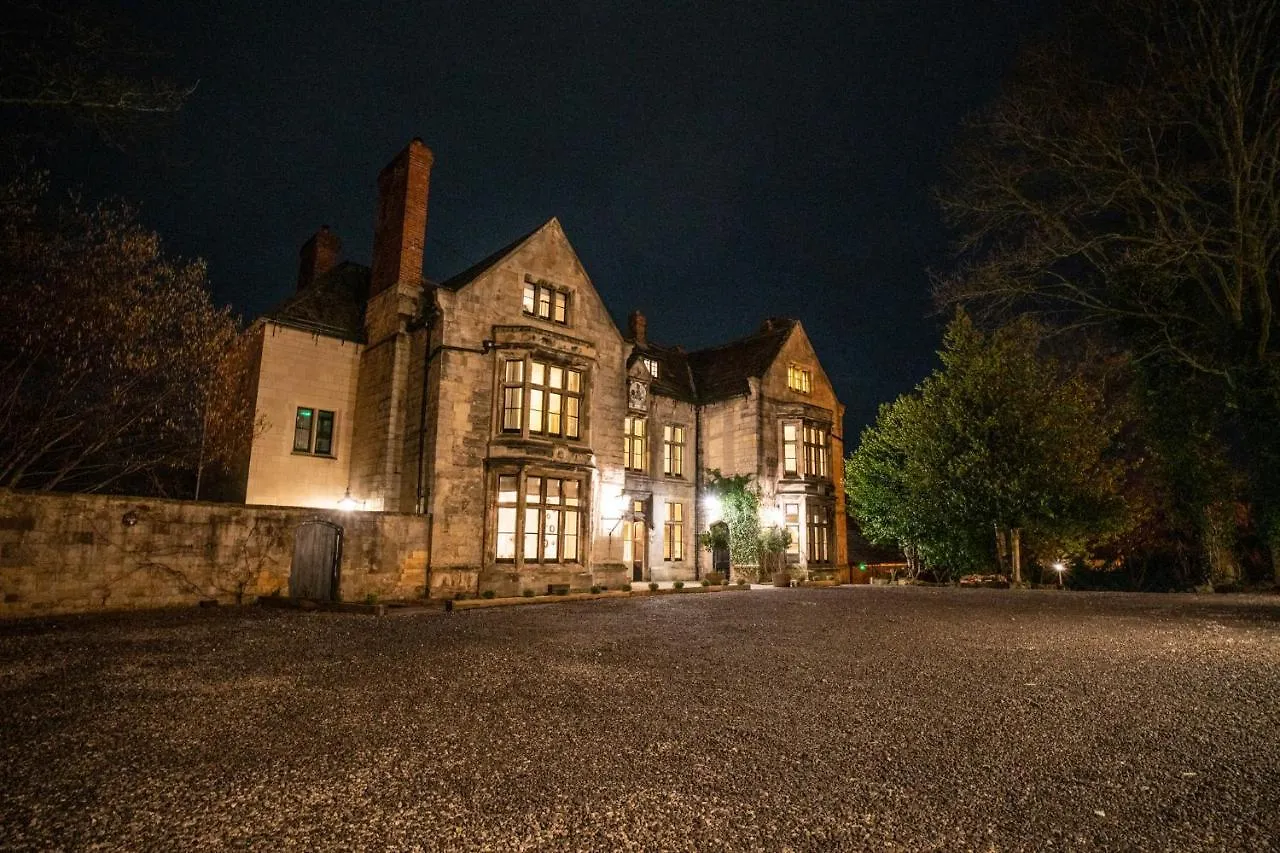
The United Kingdom has one of the most varied hotel landscapes in Europe, and its 3-star segment is where character, location, and value converge most reliably. From 17th-century coaching inns in Yorkshire to highland hotels beside Loch Ness, the mid-tier category here spans converted country houses, riverside gastropubs, and modern aparthotels - all at a fraction of what a 4-star property would cost. This guide breaks down 15 three-star hotels across England, Scotland, and Wales to help you make a well-informed booking decision.
What It's Like Staying in the United Kingdom
The UK rewards travellers who plan strategically. London and Edinburgh absorb the majority of international visitors, but the most compelling stays are often found in market towns like Ripon, heritage villages in Wiltshire, or Loch-side communities in the Scottish Highlands. England alone has over 10,000 listed buildings repurposed as hotels, meaning historical context is a genuine part of the stay rather than a marketing label. Crowd pressure is heavily concentrated in summer (June-August) and during bank holidays, while shoulder months like March and October offer significantly quieter conditions and lower rates. Travellers focused on countryside, castles, and regional food culture benefit most from UK hotel stays - those seeking guaranteed sunshine or beach-resort infrastructure will find the offering limited.
Pros:
- Exceptional regional diversity - Scottish Highlands, Yorkshire Dales, Cotswolds, and Northumberland all within a few hours of each other
- Strong public transport backbone connecting major cities, with rural areas accessible by car hire
- Historic hotel stock unmatched in Europe - many 3-star properties occupy buildings with centuries of documented history
Cons:
- Weather unpredictability is real - rain is possible in any month across most regions
- Rural properties often require a car, and driving on left-hand roads adds a learning curve for international visitors
- Prices in London and Bath are disproportionately high compared to equivalent accommodation elsewhere in the country
Why Choose a 3-Star Hotel in the United Kingdom
In the UK context, the 3-star classification covers an unusually broad spectrum - from purpose-built chain properties near motorway junctions to atmospheric country inns with AA rosette restaurants. What differentiates the best in this category is the combination of on-site food and drink, free parking (standard outside major cities), and rooms sized around 18-22 square metres, which is noticeably more generous than budget alternatives. Rates at 3-star hotels in rural England and Scotland typically run around 40% lower than comparable urban 4-star properties, making them the most cost-efficient way to access high-quality regional stays. The trade-off is variability: a 3-star inn in Northumberland will feel nothing like a 3-star aparthotel in Preston, so category alone is not enough - location, facilities, and food offering all need individual scrutiny.
Main advantages of 3-star hotels in the UK:
- Free parking is near-universal outside London and other major cities - a meaningful saving over 4-star alternatives
- On-site restaurants at UK 3-star inns frequently use locally sourced, regional produce at a quality above the category label
- Many properties occupy converted historic buildings, adding genuine architectural interest to the stay
Main trade-offs:
- Room size and fit-out consistency varies significantly within the same star rating across different property types
- Rural 3-star inns may have limited accessible facilities and patchy mobile signal in remote areas
- Noise levels in village pub-inns can be higher on weekend evenings due to the bar trade below guest rooms
Practical Booking and Area Strategy for the UK
Where you base yourself determines how much you can realistically see. Yorkshire and the Scottish Highlands offer the best concentration of characterful 3-star properties relative to the number of major attractions nearby - Ripon sits within easy reach of Harrogate, the Yorkshire Dales, and Fountains Abbey, while Invermoriston gives direct road access to both Loch Ness and the Isle of Skye junction. For travellers using London as a base for day trips, properties in High Wycombe cut the cost of central London accommodation while keeping Windsor Castle, Legoland, and Heathrow within around 30 kilometres. West Sussex inns near Horsham position guests within reach of the South Downs and Gatwick Airport, which is useful for early departures. In Scotland, properties in Balloch and Drymen serve as practical launch points for Loch Lomond without the premium pricing of Glasgow city centre. Book at least 6 weeks ahead for summer stays in rural areas, where properties are small and fill quickly; last-minute availability in cities like Preston is far easier to find.
England: Character Inns and Country Hotels
England's 3-star offerings across the north, midlands, and south combine historic settings with strong food credentials and easy access to major landmarks and countryside.
-
1. The Old Deanery
Show on map


 Check-infrom 15:00 until 22:00Check-outfrom 07:00 until 11:00
Hurry – almost gone at this price!
from£ 162
-
2. The Rudloe Near Bath - Marco Pierre White
Show on map


 Check-infrom 15:00 until 22:00Check-outfrom 08:00 until 10:00
Best price guarantee
from£ 113
-
3. Petwood Hotel
Show on map


 Check-infrom 15:00 until 23:00Check-outfrom 07:00 until 11:00
Rooms filling fast – secure the best rate!
from£ 192
-
4. The Hog'S Head Inn - The Inn Collection Group
Show on map


 Check-infrom 15:00 until 23:00Check-outfrom 07:00 until 10:00
Best price guarantee
from£ 85
-
5. The Bradworthy Inn
Show on map


 Check-infrom 17:00 until 23:30Check-outuntil 10:00
Best price guarantee
from£ 96
-
6. The Crown Inn Dial Post
Show on map


 Check-infrom 15:00 until 23:30Check-outuntil 10:00
Rooms filling fast – secure the best rate!
from£ 120
-
7. Hampton By Hilton High Wycombe
Show on map


 Check-infrom 15:00 until 23:59Check-outuntil 12:00
Best price guarantee
from£ 76
-
8. City Studios, Preston
Show on map


 Check-infrom 15:00 until 23:59Check-outfrom 06:00 until 10:00
Just a few rooms left at the best rate!
from£ 88
-
9. Staveley House
Show on map


 Check-infrom 15:00 until 22:00Check-outfrom 07:00 until 11:00
Best price guarantee
from£ 139
-
10. Ye Old Ferrie Inn
Show on map


 Check-infrom 16:00 until 22:00Check-outfrom 08:00 until 11:00
Hurry – almost gone at this price!
from£ 118
Scotland and Wales: Highlands, Lochs, and Border Country
Scotland's 3-star hotel stock is defined by its relationship to landscape and whisky culture, while the Welsh and border properties offer a lower-footfall alternative to England's most visited rural regions.
-
11. Glenmoriston Arms Hotel
Show on map


 Check-infrom 15:00 until 23:00Check-outfrom 07:00 until 10:00
Just a few rooms left at the best rate!
from£ 166
-
12. The Clachan Inn
Show on map


 Check-infrom 14:00 until 21:00Check-outuntil 11:00
Best price guarantee
from£ 64
-
13. Duck Bay Hotel & Restaurant
Show on map


 Check-infrom 15:00 until 23:59Check-outfrom 07:00 until 11:00
Hurry – almost gone at this price!
from£ 240
-
14. Raglan Lodge
Show on map


 Check-infrom 14:00 until 23:59Check-outuntil 10:00
Just a few rooms left at the best rate!
from£ 51
-
15. Caynham Court
Show on map


 Check-infrom 12:00Check-outuntil 10:00
Rooms filling fast – secure the best rate!
from£ 77
Smart Timing and Booking Advice for UK Hotels
The UK's peak season runs from late June through August, when school holidays drive occupancy at rural properties to near-capacity - particularly in the Scottish Highlands, the Lake District, and Northumberland. Booking 6 to 8 weeks ahead for summer stays in small rural inns is the minimum safe window, and properties like Glenmoriston Arms or The Hog's Head near Alnwick Castle can sell out significantly earlier during school holiday weeks. Shoulder season - April to early June and September to October - delivers the most practical balance of accessible weather, open attractions, and lower rates, with savings of around 25% versus peak summer pricing at many independent properties. Winter stays (November-February) offer the lowest rates and the most atmospheric conditions for highland hotels with log fires and whisky bars, though some rural properties reduce hours or close entirely in January. City-adjacent properties like Hampton by Hilton High Wycombe and City Studios Preston are far less seasonal and maintain consistent availability year-round, making last-minute booking a viable strategy for urban and transit stays. For long weekends, avoid the bank holiday dates in late May and late August, when road traffic to the Highlands and Peak District intensifies and rural accommodation within 50 km of national parks reaches peak pricing.