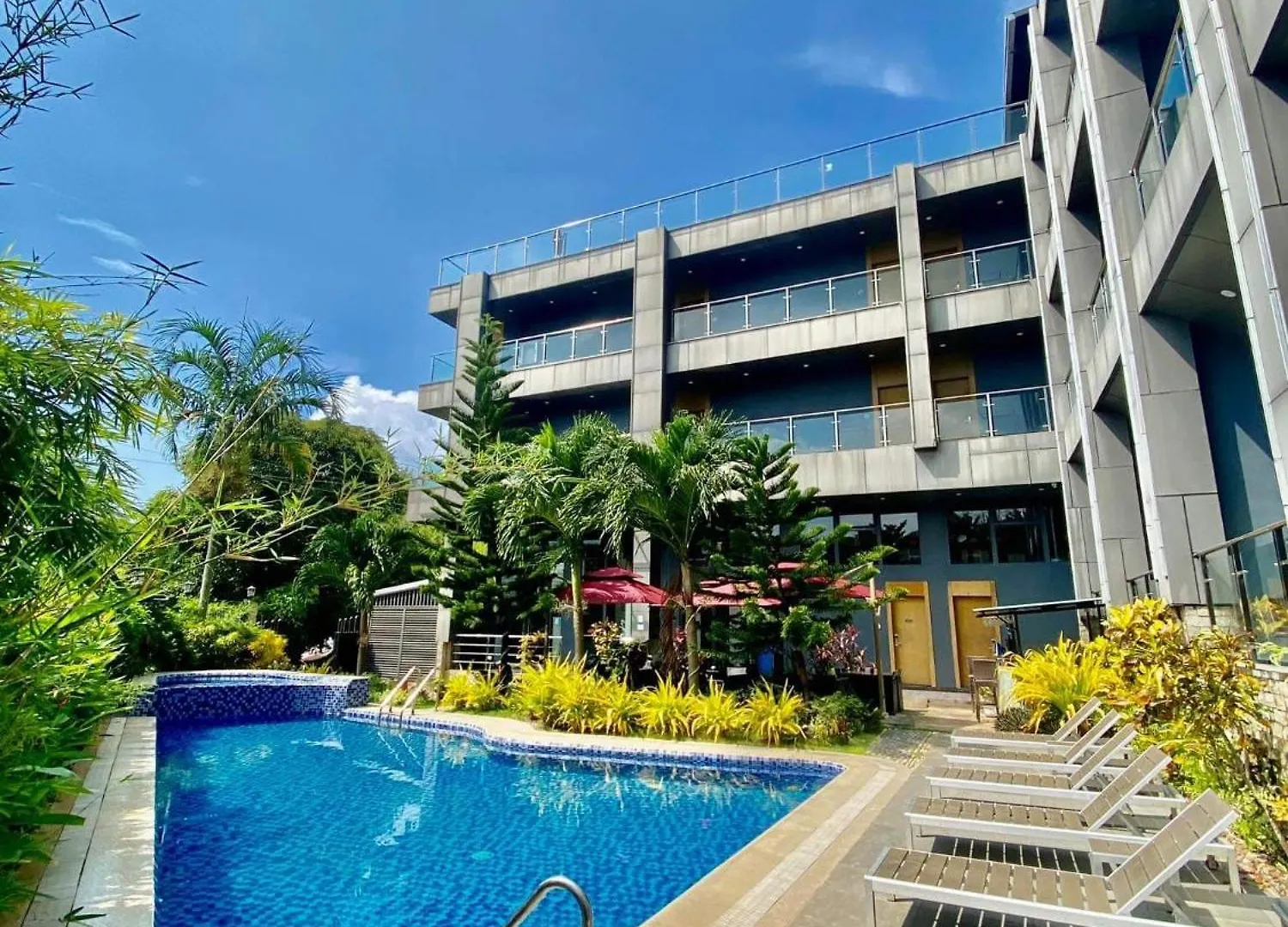
Coron is one of the Philippines' most visited island destinations, known for its wreck diving, turquoise lagoons, and volcanic hot springs. Choosing the right 3-star hotel here means balancing access to Coron Town's departure points with comfort, value, and the type of experience you're after - whether that's an island resort or a town-based base camp for daily island-hopping tours.
What It's Like Staying in Coron
Coron is compact but logistically layered - the town proper sits on Busuanga Island, while many resorts are scattered across surrounding islands that require boat transfers. Most island-hopping tours depart from Coron Town's port, making town-based accommodation highly practical for day-trippers. Traffic within the town is manageable on foot or by tricycle, though roads outside the center can be rough.
Staying in Coron Town puts you within walking distance of restaurants, markets, and tour booking offices, but island resorts offer seclusion and direct water access that the town simply cannot match.
Pros:
- Busuanga Airport is around 20 km from town, with most hotels offering shuttle transfers - arrival logistics are straightforward.
- Coron Town is a compact hub where tour operators, restaurants, and the main port are all within a short walk or tricycle ride.
- Island resort options give guests direct access to snorkeling and beach activities without needing a separate boat transfer each day.
Cons:
- Island resorts often have limited food and activity options outside what the property provides, with no easy access to town at night.
- Coron Town accommodation near the market and port can experience noise from early morning boat activity.
- Power outages and slow internet are occasional realities in some parts of Coron, including island properties.
Why Choose 3-Star Hotels in Coron
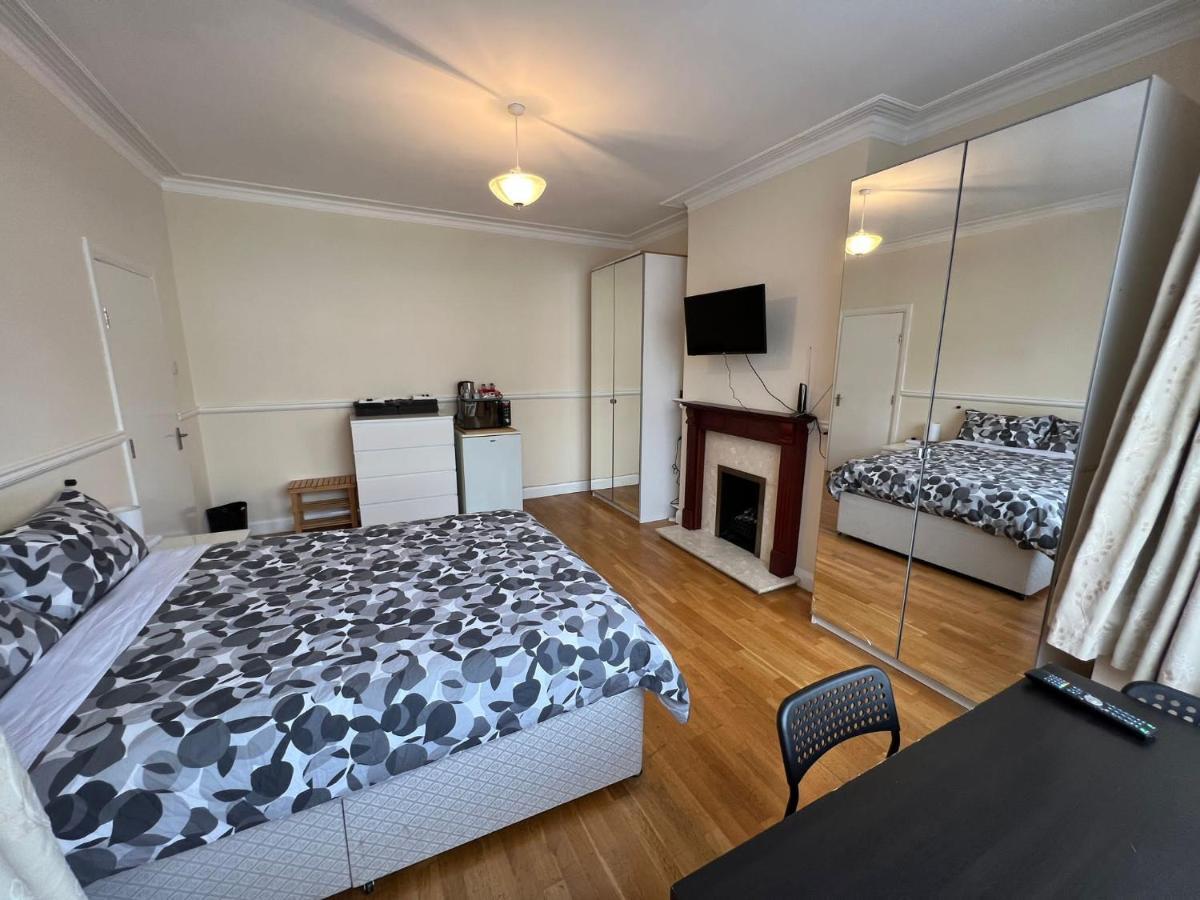
In Coron, 3-star hotels occupy a practical sweet spot - they offer air-conditioned rooms, private bathrooms, and on-site restaurants without the premium pricing of boutique resorts or liveaboard packages. 3-star properties in Coron typically include breakfast and tour arrangement services, which is genuinely useful given how dependent your daily itinerary is on local operators. Rooms tend to be modest in size but functionally equipped, often with balconies and garden or sea views depending on location.
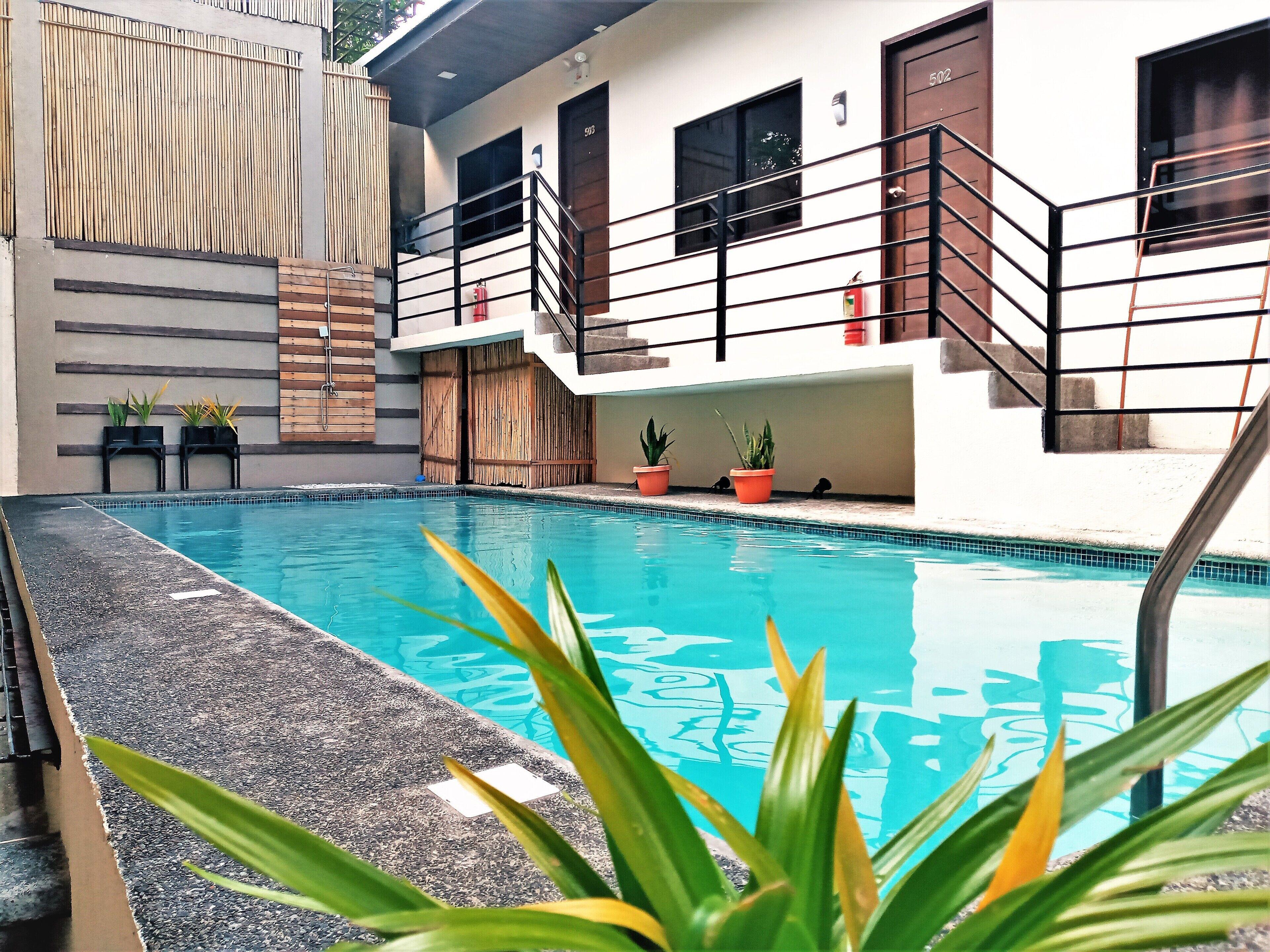
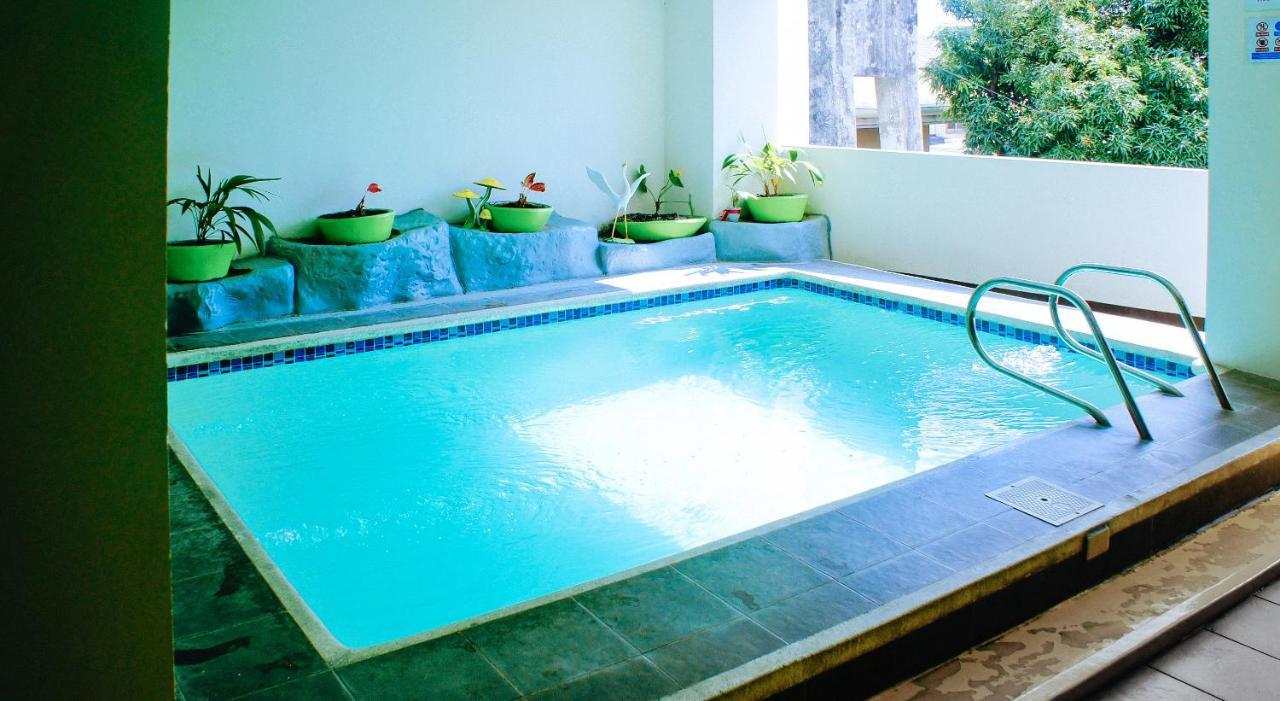
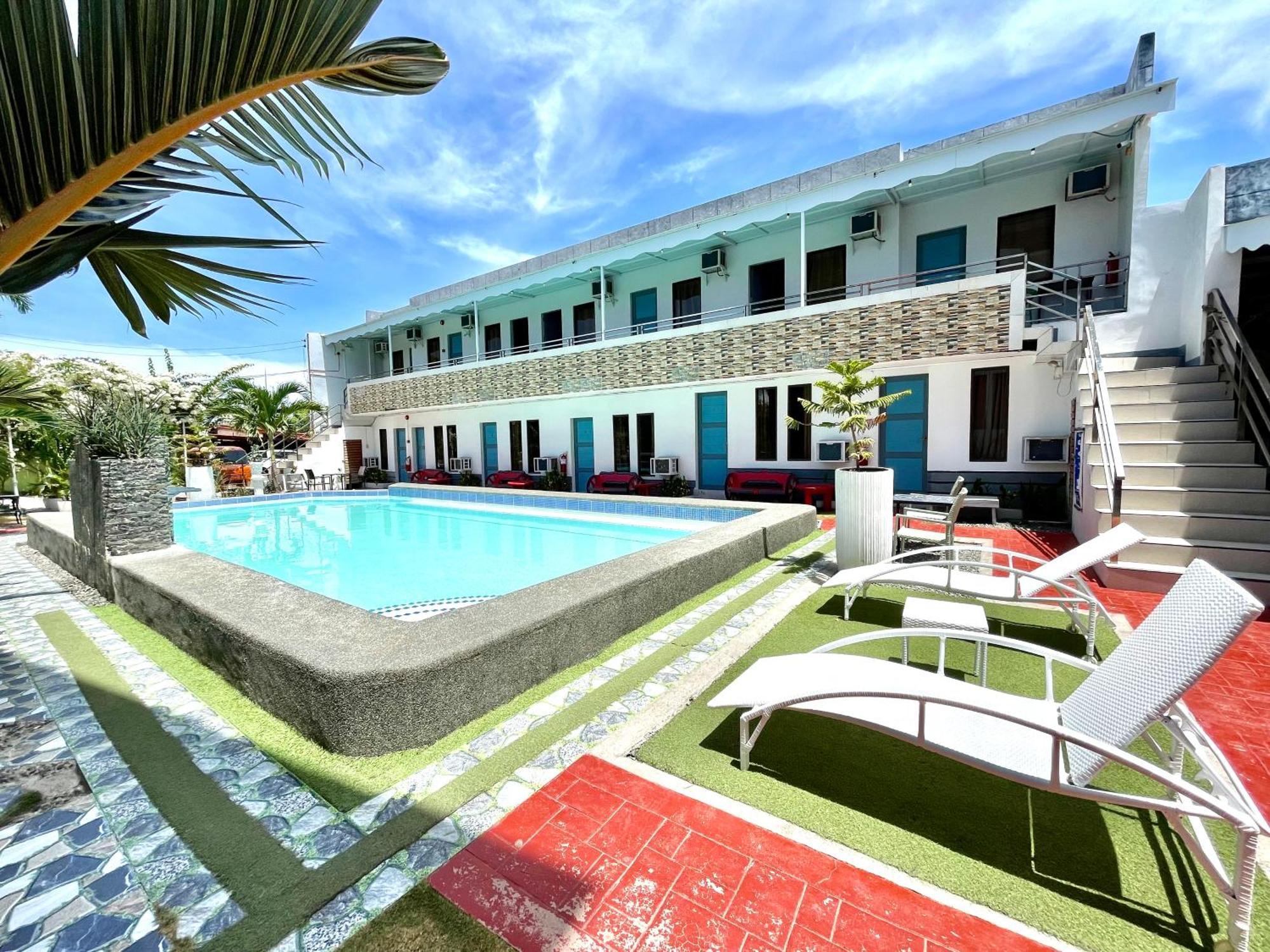
Compared to budget guesthouses, 3-star hotels here offer meaningful upgrades like swimming pools, spa services, and reliable WiFi - features that matter on rest days between excursions.
Pros:
- On-site restaurants and breakfast included remove the daily hassle of sourcing meals, especially in island-based properties.
- Tour arrangement desks at the front desk simplify booking island-hopping, diving, and transfers directly from the hotel.
- Swimming pools and spa access at several 3-star properties provide meaningful downtime options without upgrading to a luxury tier.
Cons:
- Room sizes at 3-star Coron hotels are generally compact - families needing interconnected rooms or extra space may find options limited.
- Properties on or near the main street in Coron Town can face noise issues from early morning market and port activity.
- Island-based 3-star resorts require boat transfers that add around PHP 1,500 per person each way, which should be factored into total stay costs.
Practical Booking & Area Strategy for Coron
For town-based stays, properties along or near Don Pedro Street and the National Highway in Coron Town offer the best balance of port proximity and restaurant access - most island-hopping bancas depart from the nearby public port, so a short walk to the pier saves time every morning. Mount Tapyas, Coron's most climbed viewpoint, is reachable on foot from most town hotels in under 20 minutes. For travelers prioritizing seclusion and marine activities, island resorts on surrounding islets eliminate daily boat transfers but require planning for meals and evening activities, as options outside the resort are minimal.
Book at least 6 weeks in advance for peak season travel between November and May, when island-hopping demand surges and 3-star properties fill quickly. The dry season months of December through April offer the clearest water visibility for diving and snorkeling at sites like Kayangan Lake and Barracuda Lake, making timing your visit to this window genuinely worthwhile.
Best Value Stays
These town-based 3-star hotels offer strong practicality for travelers who plan to use Coron as a daily launch point for island-hopping and excursions, with easy access to the port, market, and local restaurants.
-
1. Vienna Hotel
Show on map


 Check-infrom 14:00 until 23:59Check-outfrom 05:00 until 12:00
Just a few rooms left at the best rate!
fromPHP 2529
-
2. Vela Terraces Hotel
Show on map


 Check-infrom 14:00 until 22:00Check-outfrom 05:00 until 12:00
Just a few rooms left at the best rate!
fromPHP 2960
Best Premium Stays
These properties offer more space, stronger facilities, or unique positioning - one is an island resort with direct sea access, and the other sits outside the town center with resort-style amenities suited to families and longer stays.
-
1. Chindonan Dive And Beach Resort
Show on map


 Check-infrom 14:00 until 20:00Check-outfrom 06:00 until 12:00
Hurry – almost gone at this price!
fromPHP 4317
-
4. Villa Khadine Grand Vista Resort
Show on map


 Check-infrom 14:00 until 23:59Check-outuntil 11:00
Rooms filling fast – secure the best rate!
fromPHP 3701
Smart Travel & Timing Advice for Coron
Coron's peak season runs from November through May, when the northeast monsoon keeps seas calm and skies clear - this is the best window for diving the Japanese shipwrecks and reaching outer lagoons by boat. December through February sees the highest room demand, and 3-star hotels frequently sell out, particularly those with pools and breakfast included. Booking at least 6 weeks ahead during this window is not optional - it's necessary for securing preferred properties at standard rates. The wet season from June through October brings lower prices and fewer crowds, but rough seas can cancel island-hopping tours for consecutive days, which significantly affects short trips. For most travelers, a stay of around 5 nights gives enough time to cover the main sites - Kayangan Lake, Barracuda Lake, Twin Lagoon, and Maquinit Hot Spring - without rushing. Last-minute availability in peak season is rare and typically limited to less-requested room types or less-central properties.