The Philippines spans over 7,600 islands, and finding a budget hotel that doesn't sacrifice location or basic comfort takes more than a quick search. This guide breaks down six affordable properties across different regions - from Metro Manila's urban core to Siargao's surf-side hostels and Nasugbu's beachfront - so you can book with confidence and spend more on experiences, not accommodation.
What It's Like Staying in the Philippines
The Philippines draws travelers with a genuinely varied geography: volcanic peaks in Luzon, rice terraces in the Cordilleras, white-sand beaches in Palawan and Siargao, and a dense urban sprawl in Metro Manila. Budget travelers benefit from one of Southeast Asia's most favorable cost structures outside of major tourist hubs, though prices in hotspots like Boracay and Palawan can spike during peak season. Traffic in Metro Manila is a real logistical factor - commutes that look short on a map can stretch to over an hour during rush hour, so hotel location within the city matters more than it does elsewhere.
The country's official language is Filipino, but English is widely spoken across hotels, transport, and tourist areas, which removes a major friction point for international visitors. Island-hopping culture means you'll likely move between locations, so choosing a budget base with good transport access to airports or ferry ports is key.
Pros:
- Diverse landscapes in one country - beaches, mountains, and urban centers all within reach
- English widely spoken, reducing booking and navigation friction significantly
- Budget accommodation options exist across all major tourist regions, not just cities
Cons:
- Metro Manila traffic can add hours to transfers - factor this into any city itinerary
- Typhoon season (June-November) can disrupt island travel and limit beach access
- Budget rooms in beach towns often lack insulation from generator noise or street sound
Why Choose Budget Hotels in the Philippines
Budget hotels in the Philippines cover a wider spectrum than the label suggests. In Metro Manila, a 2-3 star property near a major mall or transit hub often includes free parking, WiFi, and breakfast - amenities that would cost extra in equivalent Southeast Asian cities. Outside Manila, the budget tier frequently means small guesthouses, beach-adjacent hostels, or roadside hotels that trade room size for proximity to nature or local life. Room sizes in budget properties typically run smaller than international standards, but air conditioning is almost universally included, which matters given the country's year-round humidity.
The trade-off at this price tier is consistency: service levels, soundproofing, and maintenance vary significantly between properties. Provincial budget hotels may also run on generator power during outages, which is common outside major cities. Travelers who prioritize location access and spend most daylight hours outside the room tend to extract the best value from Philippine budget stays.
Pros:
- Free parking is common even at budget hotels - a meaningful saving in Manila and Pampanga
- Air conditioning is standard across nearly all budget properties due to tropical climate demands
- Strategic budget hotels near transport hubs cut commute costs significantly over a multi-day stay
Cons:
- Soundproofing is frequently poor - road noise and neighboring rooms are common complaints
- Room size is noticeably compact, particularly in Manila's budget tier
- Facilities like pools or gyms, when listed, may have limited operating hours or maintenance issues
Practical Booking & Area Strategy for the Philippines
Where you base yourself in the Philippines depends heavily on your primary goal. Metro Manila (Quezon City, Makati, Pasay) works as a transit hub and urban base, with budget hotels near malls and the airport clustering around Cubao and Pasay. Nasugbu in Batangas is an underused alternative to Boracay for beach access - around 3 hours from Manila by road, with significantly lower accommodation prices and less crowd density. Siargao in Surigao del Norte has become the country's top surfing destination, with General Luna as the main base; budget hostels here fill up fast between July and October, the prime surf window.
Pampanga, north of Manila, serves as a gateway to Clark International Airport and makes practical sense for travelers flying into central Luzon rather than NAIA. Subic Bay, in Zambales, offers a quieter alternative with beach access and less tourist infrastructure - useful for travelers wanting to avoid peak-season surges. Book at least 6 weeks ahead for Siargao and Nasugbu during peak summer months (March-May), when domestic tourism from Manila fills beachfront properties quickly. Top attractions worth planning around include the Chocolate Hills in Bohol, Coron's lakes in Palawan, and the Magpupungko Rock Pools near Siargao - all requiring at least one overnight stay nearby to visit without a rushed day trip.
Beach & Provincial Budget Stays
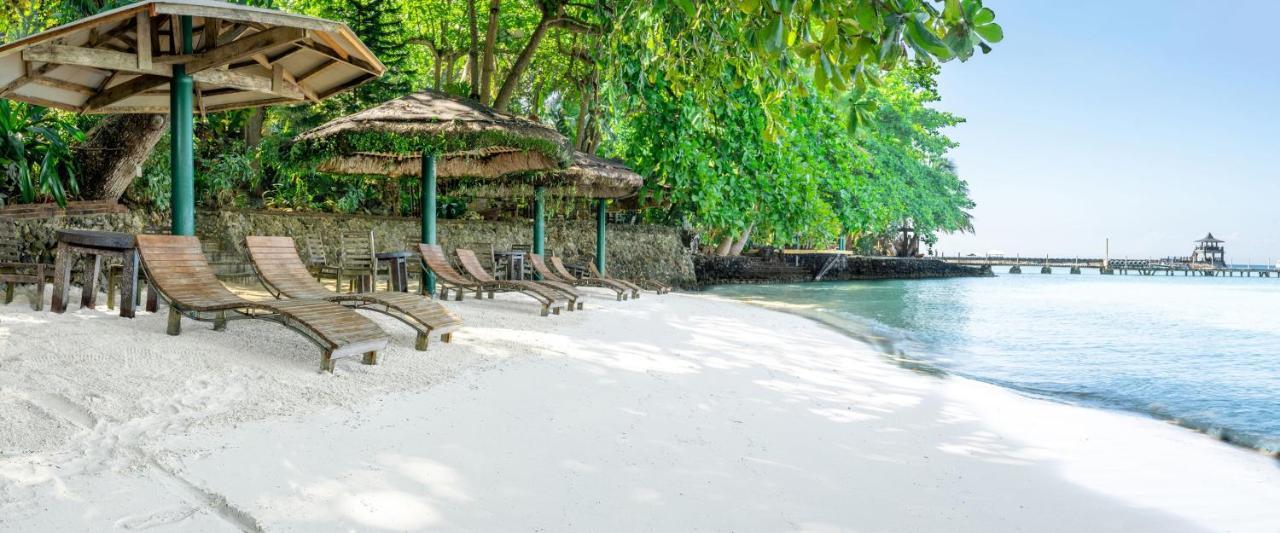
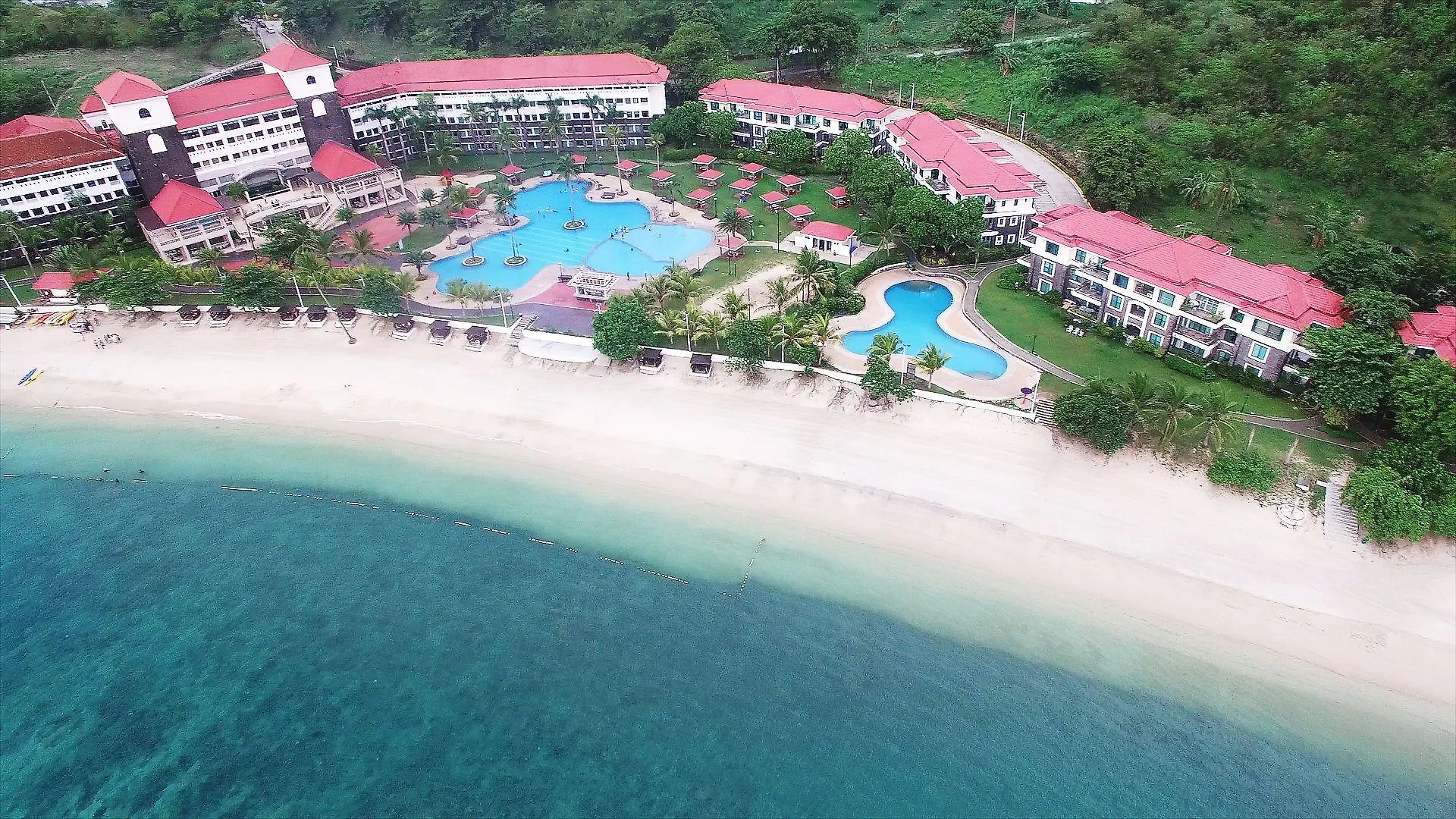
These properties sit outside Metro Manila and offer budget access to beach environments, surf culture, or provincial travel routes - each serving a distinct traveler need.
-
1. Canyon Cove Hotel And Spa
Show on map


 Check-infrom 15:00 until 23:59Check-outuntil 11:00
Just a few rooms left at the best rate!
fromPHP 3801
-
2. Sunlit Hostel
Show on map


 Check-infrom 14:00 until 19:00Check-outfrom 08:00 until 11:00
Just a few rooms left at the best rate!
fromPHP 2680
-
3. Hotel Sogo Mexico Pampanga
Show on map


 Check-infrom 14:00 until 23:00Check-outuntil 12:00
Hurry – almost gone at this price!
fromPHP 1683
Manila & Luzon Urban Budget Hotels
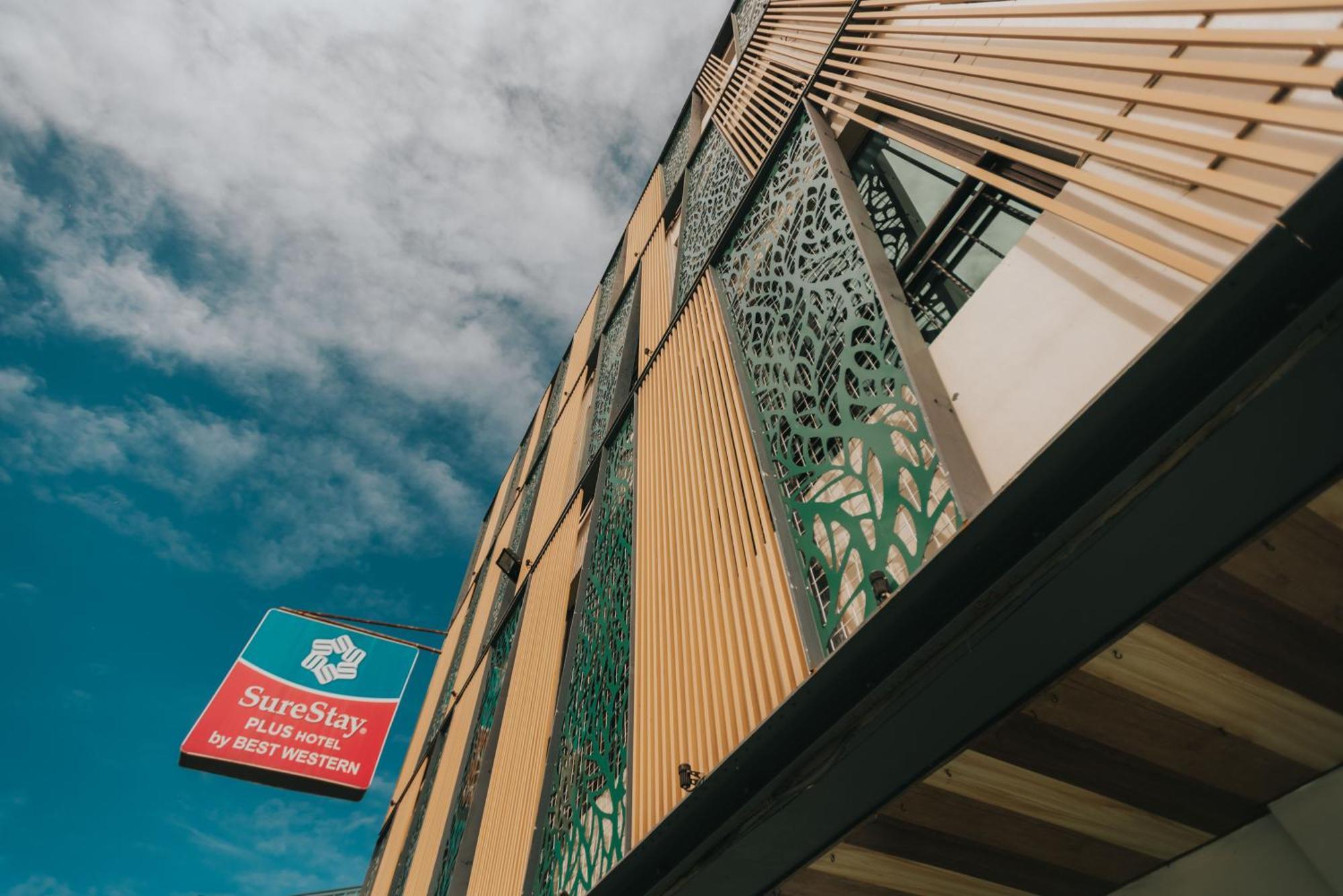
Metro Manila's budget hotel scene concentrates around transit corridors in Quezon City, Marikina, and key commercial districts - these three properties cover different urban needs within the greater Manila area.
-
1. Red Hotel Cubao, Quezon City
Show on map


 Check-infrom 14:00 until 23:59Check-outuntil 12:00
Hurry – almost gone at this price!
fromPHP 1620
-
5. Marion Hotel
Show on map


 Check-infrom 15:00 until 18:00Check-outfrom 08:00 until 11:00
Rooms filling fast – secure the best rate!
fromPHP 1184
-
3. Oyo 869 Jnv Dream Hotel
Show on map


 Check-infrom 14:00 until 23:59Check-outfrom 10:00 until 12:00
Rooms filling fast – secure the best rate!
fromPHP 1371
Smart Travel & Timing Advice for Budget Stays in the Philippines
The Philippines has two clearly defined travel windows. The dry season runs from November through April, with the peak concentrated between December and April when domestic and international tourism surges - budget hotel prices in beach destinations can rise sharply during Holy Week (March-April), sometimes doubling in Siargao, Palawan, and Boracay. May sits at the tail end of dry season with lower crowd density and better pricing, making it a tactical window for beach travel before the rains arrive. The wet season (June-November) brings frequent rain and typhoon risk, particularly in the Visayas and Eastern Mindanao, but Luzon's west coast - including Nasugbu and Subic - often remains drier during this period due to geographic shielding.
For Metro Manila stays, timing around the hotel's purpose matters more than seasonality - traffic patterns during weekday rush hours affect transfer times significantly, so arriving mid-morning or mid-afternoon is preferable. Book Siargao properties at least 6 weeks ahead for July-October surf season, when General Luna accommodations fill from a combination of surfers and domestic tourists. For Pampanga and Subic, last-minute availability is generally more stable, and rates are less subject to seasonal spikes. A minimum stay of 3 nights in beach destinations allows meaningful time for water activities and island-hopping without the inefficiency of a single-night stop.