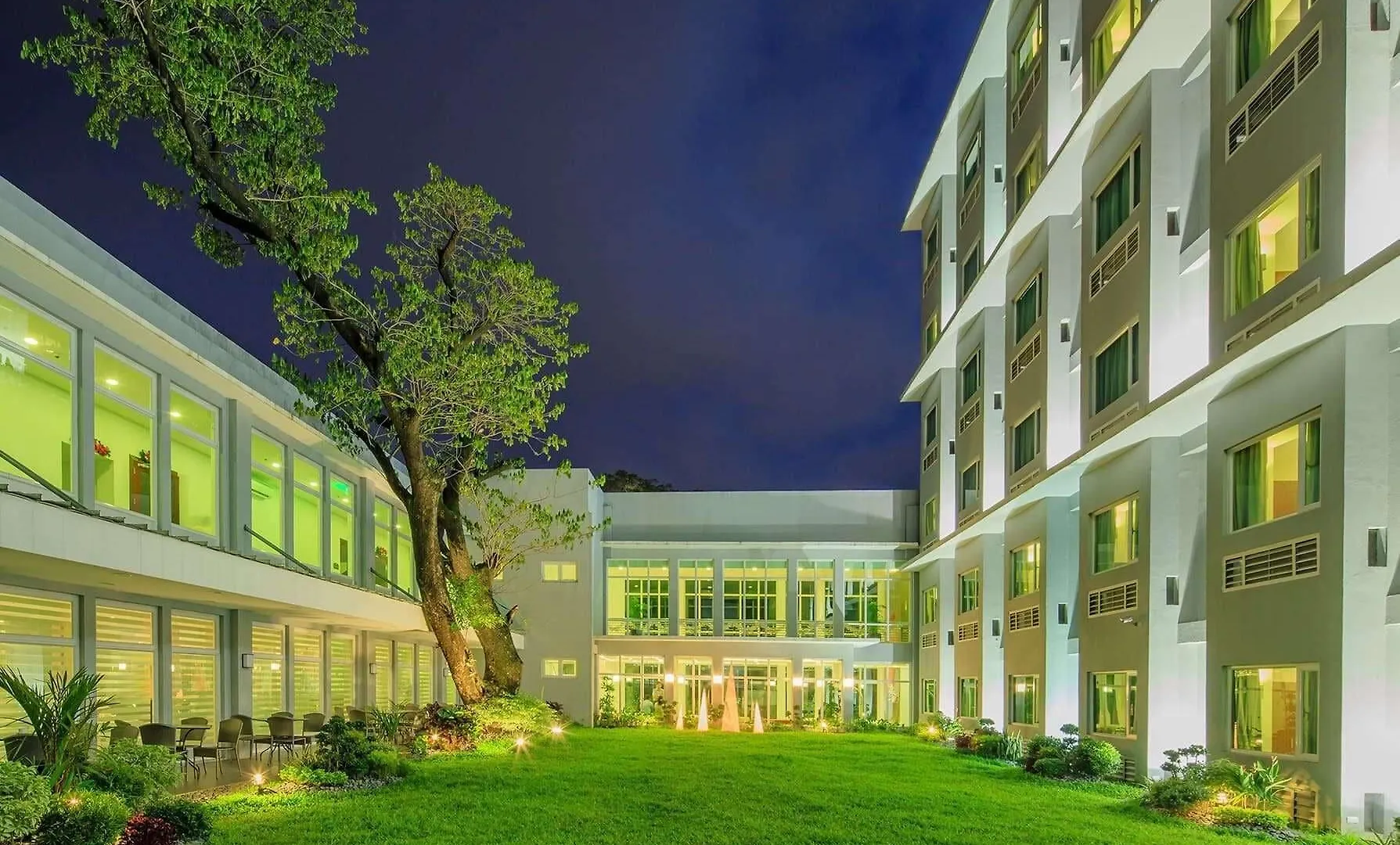
The Philippines stretches across more than 7,600 islands, which makes choosing where to stay one of the most consequential decisions of your trip. From urban hubs like Quezon City and Cebu to coastline retreats on Samal Island and Surigao, leisure hotels here vary dramatically in setting, access, and what they actually deliver on the ground. This guide cuts through the noise to help you book the right property for how you actually travel.
What It's Like Staying in the Philippines
The Philippines is one of Southeast Asia's most geographically diverse destinations, where white-sand beaches, volcanic landscapes, colonial city centers, and jungle interiors exist within short distances of each other. Crowd patterns shift sharply depending on the island - Cebu and Metro Manila see consistent year-round traffic from both domestic and international visitors, while destinations like Dapitan, Morong in Bataan, or Samal Island remain comparatively uncrowded even during peak months. Domestic travel spikes hard during Holy Week and the summer months of April and May, when resorts along accessible coastlines book out weeks in advance. Travelers who want beach access without ferry logistics tend to cluster around Cebu and Batangas, while those willing to add a short boat ride unlock genuinely quieter stretches. Budget travelers will find the Philippines competitive - midrange leisure hotels often deliver amenities that would cost significantly more in regional competitors like Thailand or Bali. The infrastructure gap between islands is real, however: transport between destinations can take several hours longer than expected, and road quality varies sharply once you leave major urban corridors.
Pros:
- Enormous variety of landscapes within a single country - beachfronts, island resorts, and city-center hotels are all accessible without changing currency or language
- English is widely spoken across all hotel tiers, reducing friction for international travelers navigating local transport or excursions
- Leisure hotels in secondary cities like General Santos or Dapitan deliver strong value with far less competition for space than Metro Manila or Boracay
Cons:
- Inter-island travel adds real time cost - ferries and domestic flights require planning, and delays during typhoon season (June to November) are common
- Resort areas popular with local tourists fill up with no notice during long weekends, making last-minute bookings unreliable in peak periods
- Some beach areas outside tourist hubs have limited dining and nightlife options within walking distance, requiring a vehicle or tricycle for most outings
Why Choose Leisure Hotels in the Philippines
Leisure hotels in the Philippines are built around outdoor access in a way that urban-centric hotel categories elsewhere simply are not - outdoor pools, beachfront positioning, resort-style dining, and activity desks are standard inclusions rather than premium add-ons in this segment. Compared to business hotels in Metro Manila, leisure-focused properties generally offer larger room footprints and more communal outdoor space, though they tend to be positioned outside city centers, which means transport to commercial areas requires planning. Nightly rates at Philippine leisure hotels typically run around 30% lower than comparable beachfront properties in Bali or Phuket, making the country one of the stronger value propositions in Southeast Asian resort travel. That said, the gap between what photos show and what you experience on arrival can be wider than in more regulated markets - reading recent reviews specifically about beach access, room maintenance, and food quality matters more here than in destinations with stricter hospitality standards. Most leisure hotels in secondary Philippine cities include amenities like airport transfers, free parking, and in-house dining that city hotels charge extra for, which changes the actual cost comparison considerably. Rooms at beachfront resorts often feature private balconies or terrace access to the garden or sea, which is difficult to find in urban hotel options at the same price point.
Pros:
- Beachfront and garden-facing rooms with terrace access are common at midrange price points, particularly outside Metro Manila
- Many leisure hotels include complimentary airport transfers and free parking - costs that add up quickly when booking city hotels separately
- In-house restaurants at Philippine resorts frequently serve regional dishes not widely available outside the local area, adding culinary value to the stay
Cons:
- Properties marketed as beachfront sometimes sit behind a narrow strip of sand that disappears at high tide - confirming beach access type before booking is essential
- Leisure hotels in Mindanao and Visayas regions occasionally have inconsistent maintenance standards outside flagship properties, especially outside peak season
- Activity options listed on hotel websites (snorkeling, island hopping, fishing) often require separate booking and advance coordination, not spontaneous access
Practical Booking & Area Strategy for the Philippines
Quezon City and Cebu serve as the most practical urban bases for travelers who want city access with leisure amenities - both have reliable domestic airport connections, commercial infrastructure, and a concentration of hotels across multiple price tiers. Cebu in particular acts as the transit hub for onward travel to Bohol, Siargao, and the Visayas islands, making it worth at least one night before or after island excursions. For travelers whose priority is beach immersion without long overland transfers, Surigao (gateway to Siargao and Sohoton Cove) and Samal Island near Davao are genuinely underrated - both offer dramatic scenery with far lighter tourist foot traffic than Palawan or Boracay. Bataan's Morong coastline, while less known internationally, sits within around 3 hours from Manila by road and delivers a quieter beachfront alternative for short getaways. General Santos in Mindanao is primarily used as a jumping-off point for tuna fishing tourism and coastal exploration rather than beach resort stays. Dapitan in Zamboanga del Norte - known for its José Rizal historical sites and coastline - rewards travelers who plan ahead, as flight connections are limited and Dipolog Airport serves as the access point. Book leisure hotels at least 6 weeks ahead of any Philippine public holiday - particularly Holy Week, Christmas week, and the May summer peak - as domestic demand consistently outpaces available rooms in beach-adjacent properties during those windows.
Leisure Hotels in Luzon - City Comfort and Coastal Escapes
Luzon spans Metro Manila's urban core and extends to beach destinations like Bataan's Morong coastline, giving travelers a range of leisure settings without leaving the main island.
-
1. Microtel By Wyndham Up Technohub
Show on map


 Check-infrom 14:00 until 22:00Check-outfrom 06:00 until 12:00
Just a few rooms left at the best rate!
fromPHP 4009
-
2. Brisa Marina Beach Resort Powered By Cocotel
Show on map


 Check-infrom 14:00 until 23:59Check-outuntil 11:00
Just a few rooms left at the best rate!
fromPHP 3701
Leisure Hotels in Visayas & Mindanao - Coastal Resorts and Island Retreats
The Visayas and Mindanao regions concentrate the Philippines' most compelling leisure hotel options - beachfront resorts, island bungalows, and coastal properties that directly access some of the country's most dramatic geography.
-
3. Grand Summit Hotel General Santos
Show on map


 Check-infrom 14:00 until 23:59Check-outuntil 12:00
Just a few rooms left at the best rate!
fromPHP 5304
-
4. Almont Beach Resort
Show on map


 Check-infrom 14:00 until 23:59Check-outuntil 12:00
Rooms filling fast – secure the best rate!
fromPHP 3515
-
3. Hof Gorei Beach Resort Davao
Show on map


 Check-infrom 14:00 until 18:00Check-outfrom 09:00 until 12:00
Hurry – almost gone at this price!
fromPHP 4071
-
4. Red Planet Cebu
Show on map


 Check-infrom 14:00 until 23:59Check-outuntil 12:00
Hurry – almost gone at this price!
fromPHP 1419
-
5. Gratum Beach Resort
Show on map


 Check-infrom 14:00 until 20:00Check-outfrom 11:00 until 12:00
Rooms filling fast – secure the best rate!
fromPHP 4687
Smart Travel Timing & Booking Advice for the Philippines
The Philippines has a clear dry season running from November through April, with January to March considered the sweet spot - skies are consistently clear, humidity is manageable, and typhoon risk is at its lowest. April and the Holy Week period see domestic travel volumes spike sharply, with beach resorts around Surigao, Bataan, and Samal Island filling weeks in advance; booking leisure hotels during this window without a reservation is a genuine risk, not just a theoretical one. May marks the tail end of summer heat before the southwest monsoon arrives, making it viable but increasingly humid. For budget-conscious travelers, September and October offer lower nightly rates at most Philippine leisure hotels - around 20% below peak pricing - but the active typhoon season means itinerary disruptions are a real possibility, particularly for inter-island routes. A stay of at least 4 nights is worth considering at any island-based resort, since the ferry or shuttle logistics on arrival and departure days eat into usable leisure time. For city-adjacent properties like Microtel UP Technohub or Grand Summit General Santos, 2-night stays are workable as part of a broader multi-city itinerary. Book directly through hotel websites or well in advance for peak dates - last-minute availability in the leisure category collapses fast during Philippine national holidays.