Sheffield City Centre puts you within walking distance of the Crucible Theatre, Sheffield Cathedral, the Devonshire Quarter, and both major rail and tram connections - all without needing a car. This guide covers 6 central hotels in Sheffield City Centre, comparing location, facilities, and value so you can book with confidence rather than guesswork.
What It's Like Staying In Sheffield City Centre
Sheffield City Centre is more compact than most UK cities of its size, which means staying centrally gives you genuine walking access to the main cultural, commercial, and transport hubs. The rail station sits at the southern edge of the centre, making arrival and departure straightforward, while the Supertram network connects you to outer districts like Meadowhall in under 20 minutes. Foot traffic peaks heavily on weekends around Fargate and the Moor Shopping Centre, but quieter pockets - particularly around Leopold Square and the Cathedral Quarter - remain navigable even on Saturday afternoons.
Pros:
- Walking access to the Crucible Theatre, Sheffield Cathedral, and the Devonshire Quarter without needing transport
- Sheffield Railway Station and multiple tram stops are within easy reach, simplifying multi-city travel
- High concentration of restaurants, bars, and independent shops in Leopold Square and the Devonshire Quarter
Cons:
- Weekend evenings around West Street and Division Street can be noticeably loud, affecting lighter sleepers in street-facing rooms
- On-site or immediately adjacent parking is limited and often paid - not ideal if you're driving in
- Hotel rates spike around around 40% during snooker season at the Crucible (late April to early May), reducing last-minute availability
Why Choose Central Hotels In Sheffield City Centre
Central hotels in Sheffield City Centre occupy a practical middle ground - they're not budget capsule properties, but they're also not overpriced boutique stays that inflate the bill without adding utility. Most 4-star central options in this area include facilities like on-site gyms, restaurants, and 24-hour reception, which matter when you're arriving late after a conference or event at Sheffield Arena. Room sizes tend to be reasonable by UK city-centre standards, though rooms facing inner courtyards or higher floors consistently deliver better noise levels than street-facing ground-floor options.
Central hotels here consistently offer better transport proximity than equivalent properties in the Ecclesall Road corridor or Kelham Island area, which can add around 15 minutes each way on foot. The trade-off is that city-centre rates climb sharply during major events at the Utilita Arena Sheffield or during university graduation weeks in July.
Pros:
- Most central properties include amenities like pools, gyms, and restaurants that budget or outer-district hotels rarely match
- Proximity to Sheffield Station reduces taxi and transport costs over a multi-night stay
- 24-hour reception and room service are standard across most central 4-star options, useful for irregular schedules
Cons:
- City-centre rates are noticeably higher during events at the Crucible, Utilita Arena, or graduation periods
- On-site parking is limited or charged separately at most central properties - a real cost if you're driving
- Standard rooms in city-centre hotels can feel compact; upgrading for more space often adds meaningful cost
Practical Booking & Area Strategy
For the best positioning in Sheffield City Centre, aim for properties within the triangle formed by Arundel Gate, Norfolk Street, and Pinstone Street - this zone keeps you within a 10-minute walk of Sheffield Station, the Crucible, and the main retail corridor. Hotels slightly north, near Leopold Square or Barker's Pool, sit closer to the Cathedral Quarter and City Hall, which suits cultural visits more than business trips requiring rail access. The Supertram Cathedral stop on Church Street provides a fallback if you're staying slightly further from the station, connecting directly to Meadowhall Shopping Centre in around 18 minutes.
Book at least 6 weeks ahead for any stay coinciding with the World Snooker Championship (late April to early May) or Sheffield United and Sheffield Wednesday home fixtures - central availability drops fast and rates surge. The area around Devonshire Street and Division Street is best avoided for light sleepers on Friday and Saturday nights, as the nightlife corridor runs active until 3am. For quieter stays, request upper-floor or courtyard-facing rooms when booking directly with the hotel.
Best Value Stays
These properties offer strong city-centre positioning and consistent facilities at more accessible price points - useful for shorter stays, solo travellers, or visits where the hotel is a base rather than the destination.
-
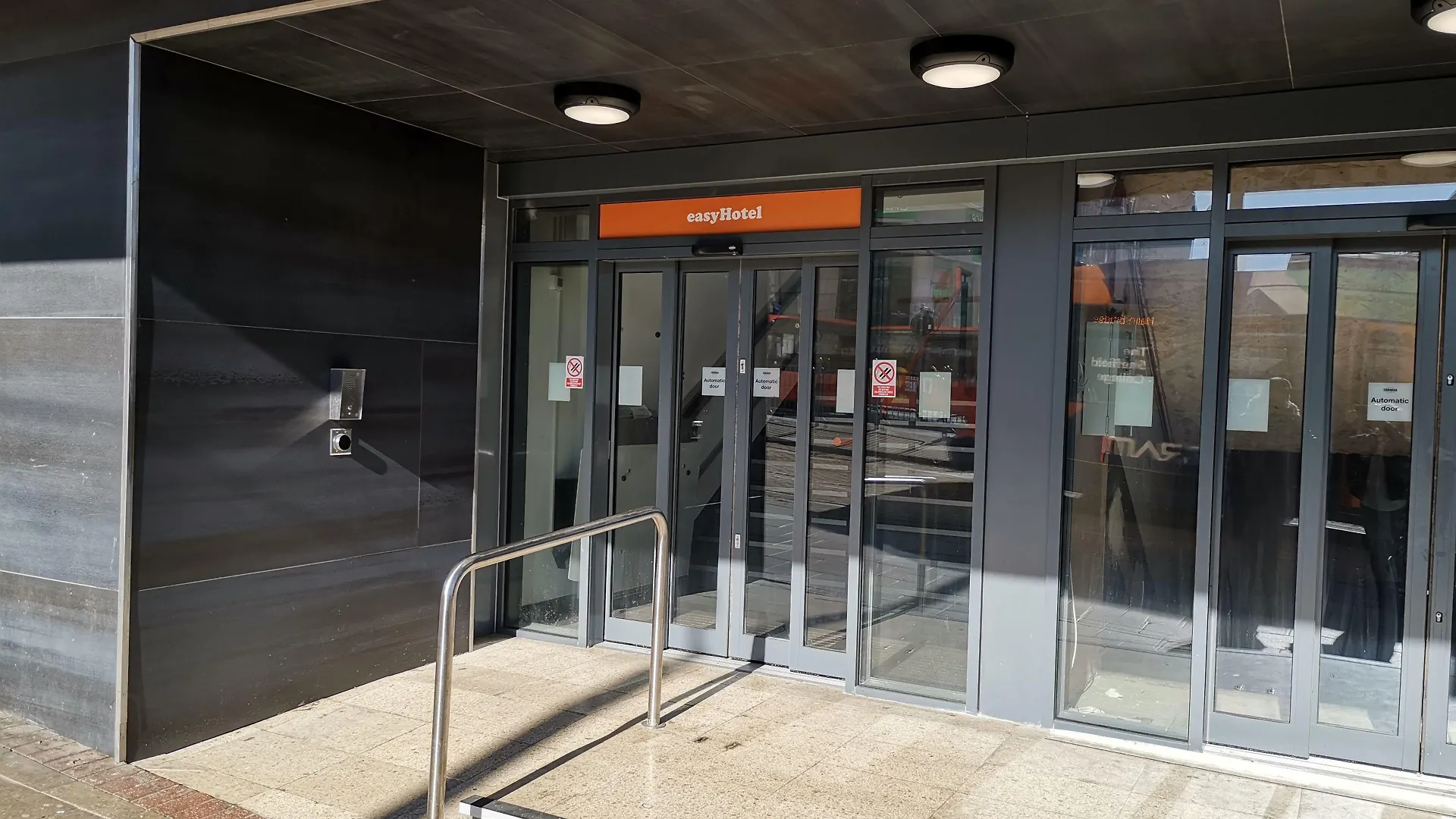
1. Easyhotel Sheffield
Show on map


 Check-infrom 15:00 until 23:59Check-outuntil 10:00
Just a few rooms left at the best rate!
from£ 36
-
2. Leonardo Hotel Sheffield
Show on map


 Check-infrom 15:00 until 23:59Check-outuntil 11:00
Just a few rooms left at the best rate!
from£ 50
-
3. Hampton By Hilton Sheffield
Show on map


 Check-infrom 15:00 until 23:59Check-outfrom 06:00 until 11:00
Hurry – almost gone at this price!
from£ 62
Best Premium Stays
These properties add meaningful upgrades - spa access, swimming pools, historic character, or premium dining - that justify higher rates for stays where comfort and in-hotel experience matter as much as location.
-
4. Novotel Sheffield Centre
Show on map


 Check-infrom 15:00 until 23:59Check-outuntil 12:00
Hurry – almost gone at this price!
from£ 53
-
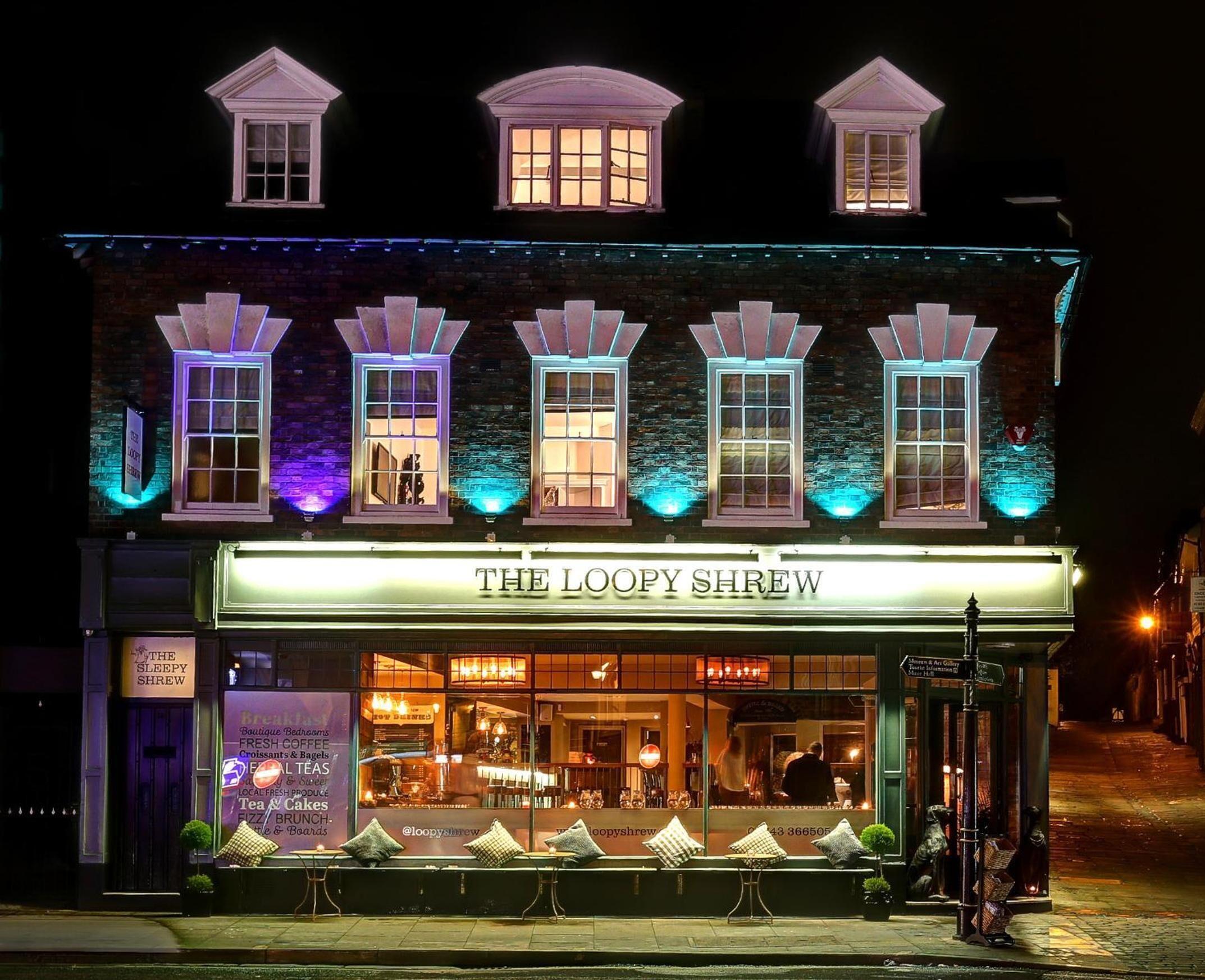
5. Leopold Hotel
Show on map


 Check-infrom 14:00 until 23:00Check-outfrom 07:00 until 11:00
Rooms filling fast – secure the best rate!
from£ 73
-
6. Voco Sheffield By Ihg
Show on map


 Check-infrom 15:00 until 23:59Check-outuntil 12:00
Rooms filling fast – secure the best rate!
from£ 127
Smart Travel & Timing Advice for Sheffield City Centre
Sheffield City Centre stays in highest demand during two clear windows: the World Snooker Championship at the Crucible (running across around 17 days in late April and early May) and university graduation weeks, which cluster through mid-July. During both periods, central hotel availability drops sharply and rates spike - booking 8 weeks ahead is a realistic minimum if you need specific dates. Outside these peaks, September and October offer a strong combination of mild weather, post-summer pricing, and a full cultural calendar including Tramlines festival aftermath programming and early theatre season.
January and February are the quietest months in the city centre, with noticeably lower rates and minimal crowds - useful if your visit is flexible. For most stays, two or three nights is enough to cover the Cathedral Quarter, Devonshire Quarter, and major cultural venues without feeling rushed. Last-minute booking works in winter but is genuinely risky from April through July - the city's event calendar fills the central hotels faster than most visitors expect.