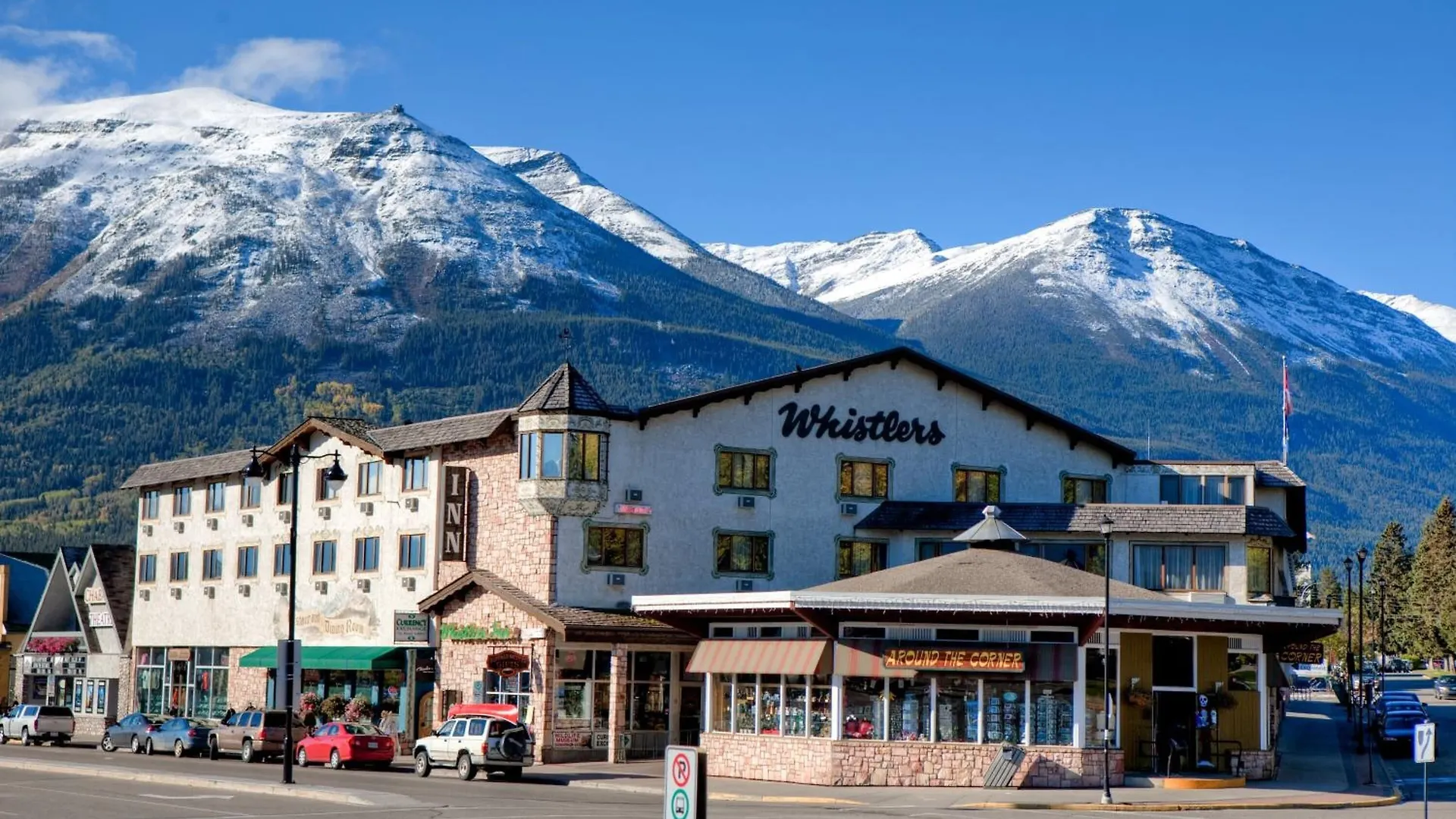
Staying near the Jasper Tramway means waking up with direct access to one of the Canadian Rockies' most iconic mountain experiences - but choosing the right hotel in this area requires knowing how the town of Jasper actually works. These four central hotels sit within Jasper National Park, ranging from in-town walkable properties to short-drive options with full resort facilities, and each one offers a meaningfully different setup for tackling the tramway, the trails, and the surrounding wilderness.
What It's Like Staying Near Jasper Tramway
The Jasper Tramway (officially the Jasper SkyTram) sits at the base of Whistlers Mountain, roughly 7 km southwest of Jasper's downtown core. That means there's no walkable hotel strip directly at the tram base - the area around the lower terminal is primarily parking, trailheads, and forested road. Most hotels serving tramway visitors are actually located in Jasper town centre, which functions as the logistical hub for the entire national park. From town, the drive to the tram base takes around 10 minutes, and the road is well-maintained year-round, making a car or shuttle the standard access method rather than walking.
The town of Jasper itself is compact and walkable, with the main strip of Connaught Drive linking hotels, restaurants, and the train station within a few blocks. Crowds concentrate heavily in July and August, when the SkyTram queues extend significantly and hotel occupancy across the park runs extremely high. Staying centrally in Jasper town gives you fast access not just to the tramway but to the train station, Athabasca Falls, Maligne Lake day trips, and the Icefields Parkway - all of which require a vehicle regardless of where you sleep.
Pros:
- Central Jasper hotels put you within a short drive of the SkyTram lower terminal, Athabasca Falls, and Maligne Canyon without requiring multiple relocations
- In-town positioning means walkable access to restaurants, grocery, and the train station - useful for car-free arrivals
- Jasper National Park's lack of urban sprawl keeps even "town centre" hotels surrounded by mountain scenery and wildlife corridors
Cons:
- No hotel sits at the SkyTram base itself - you will always need a vehicle or shuttle for the final approach to the tramway
- Summer peak season compresses availability sharply; late bookings in July often find limited options at inflated rates
- Jasper town is small enough that nightlife and late-evening dining options thin out quickly after 10 pm
Why Choose Central Hotels Near Jasper Tramway
Central hotels in Jasper town position you within easy driving distance of the SkyTram while giving you walkable access to the town's services - a practical advantage when your itinerary combines the tramway with Athabasca Falls, Maligne Lake, or the Icefields Parkway on consecutive days. Unlike backcountry lodges or outlying cabins, in-town properties offer on-site dining, indoor pools, and amenities that make sense after long hiking days in the alpine. Rates at central Jasper hotels reflect the national park premium, but the added value of having a restaurant, parking, and a pool under one roof is tangible when you're base-camping for multi-day exploration rather than passing through for a single night.
Room sizes at these properties are generally more generous than you'd find at similarly priced urban hotels, partly because Jasper's low building density allows for larger footprints. The trade-off is that Jasper has no luxury resort on the scale of the Banff Springs Hotel - even the top-tier properties here are mid-range by resort standards, which means rates and room quality are closer to each other across the tier spectrum than in most cities. Booking early for July and August is non-negotiable; the entire town fills around 8 weeks out from peak summer weekends.
Pros:
- On-site indoor pools and spas at several properties serve as genuine recovery infrastructure after full-day hikes on Whistlers Mountain or the Valley of the Five Lakes trail
- Free parking included at most central hotels - essential since the SkyTram, Athabasca Falls, and Maligne Lake all require driving within the park
- Multi-restaurant setups at several properties mean you don't need to plan evening logistics after exhausting outdoor days
Cons:
- National park location means no budget hotel chains - even mid-tier options carry a premium tied to limited supply and park regulations
- Some central properties lack air conditioning, which matters during warm July evenings when temperatures can climb unexpectedly
- Indoor pools at most properties are relatively compact - functional for recovery, not resort-grade lap swimming
Practical Booking & Area Strategy
The most strategically positioned hotels in Jasper cluster along or just off Connaught Drive - the town's main artery running parallel to the CN rail line - and Patricia Street, one block east. Properties on or near Connaught give you the train station directly accessible on foot, the main commercial strip within a 5-minute walk, and the Yellowhead Highway connection that feeds directly toward the Whistlers Mountain Road and the SkyTram base. From this spine, the drive to the SkyTram lower terminal is roughly 10 minutes southwest; Athabasca Falls is about 27 minutes further south on Highway 93A; and Maligne Lake sits around 45 minutes east on Maligne Lake Road.
For timing, the SkyTram itself operates from late April through mid-October, with peak queues on weekday mornings in July and August when coach tours arrive early. Arriving at the tram base before 9 am or after 4 pm significantly reduces wait time and gives better light for photography at the summit (2,277 m). Adjacent to the tramway zone, the Whistlers Campground trailhead connects to the Whistlers Summit trail if you prefer hiking up independently. Within Jasper town, the Jasper Planetarium, the Jasper Heritage Railway Station, and the Old Fort Point loop trail are all walkable from the main hotel corridor - useful for evenings when you're not driving into the backcountry. Book at least 6 weeks ahead for any July stay; the entire park's accommodation base is small relative to summer demand.
Best Value Stays
These properties offer strong practicality-to-price positioning for Jasper, with central locations and in-house dining that make them efficient bases for SkyTram-focused itineraries.
-
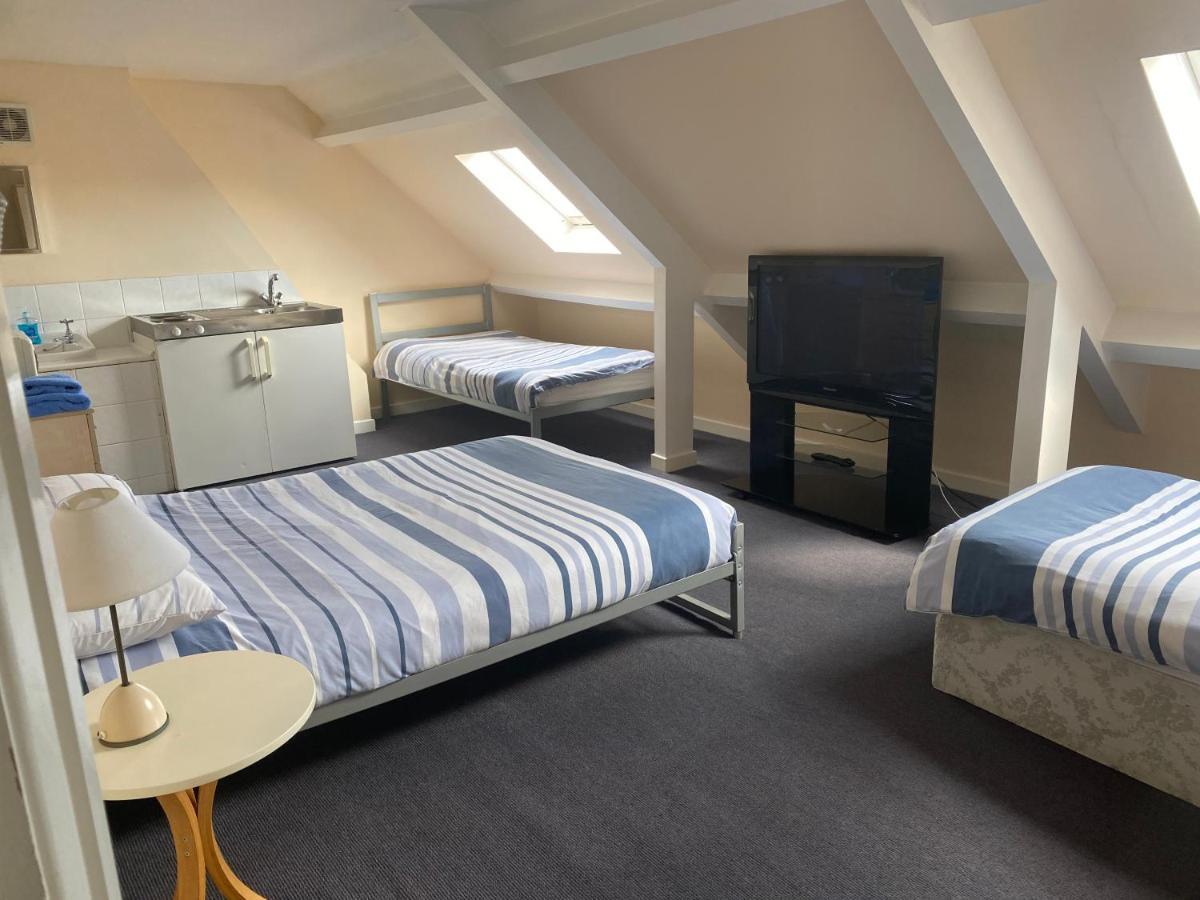
1. Whistler'S Inn
Show on map


 Check-infrom 16:00 until 23:59Check-outuntil 11:00
Just a few rooms left at the best rate!
fromC$ 186
-
2. Forest Park Hotel
Show on map


 Check-infrom 16:00 until 23:59Check-outuntil 11:00
Just a few rooms left at the best rate!
fromC$ 136
Best Premium Stays
These two properties carry stronger amenity packages and better-rounded facilities - including indoor pools, hot tubs, and full restaurant service - making them the more comfortable choices for longer stays or guests prioritising post-hike recovery.
-
3. Jasper Inn & Suites By Innhotels
Show on map


 Check-infrom 16:00 until 23:59Check-outuntil 11:00
Hurry – almost gone at this price!
fromC$ 120
-
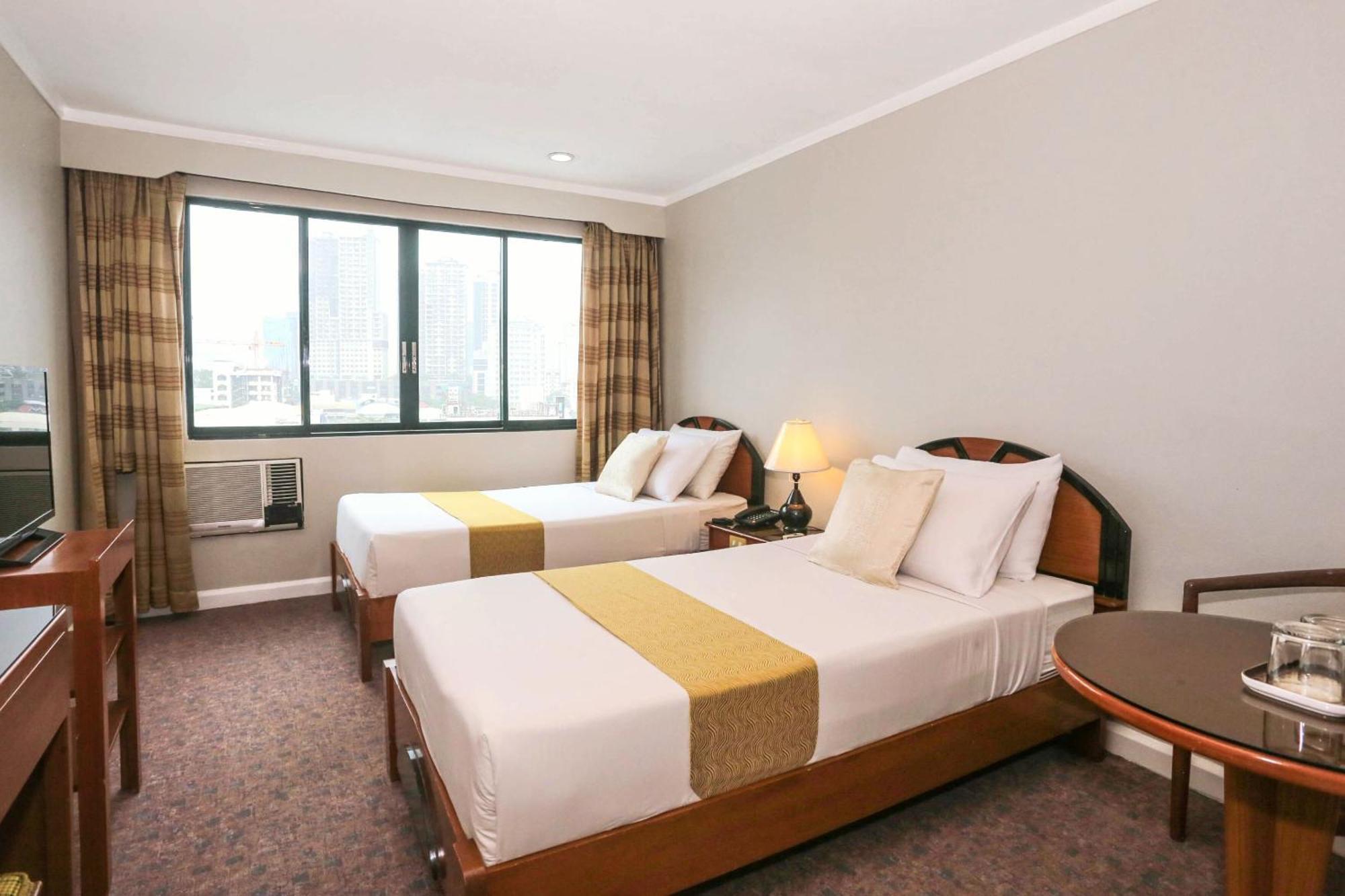
4. Chateau Jasper
Show on map


 Check-infrom 16:00 until 23:59Check-outuntil 11:00
Rooms filling fast – secure the best rate!
fromC$ 128
Smart Travel & Timing Advice
The Jasper SkyTram operates from late April through mid-October, but the experience and the surrounding hotel market behave very differently depending on when you visit. July and August represent the absolute peak - the SkyTram runs at full capacity, Jasper town fills completely, and hotel rates across all central properties climb significantly. Booking in July requires lead time of at least 6 weeks, and even then, options at the better-equipped properties narrow fast. June and September offer a meaningfully different proposition: the tramway is operational, trails on Whistlers Mountain are accessible, but crowds at the summit drop noticeably and town accommodation is easier to secure at lower rates.
For night stays, two nights in Jasper is the practical minimum for combining the SkyTram with at least one other major park attraction - Athabasca Falls, Maligne Canyon, or the Icefields Parkway south toward Columbia Icefield. Three nights allows a more relaxed pace with time for the Valley of the Five Lakes trail and an evening at Miette Hot Springs. Late September brings elk rutting season to Jasper town itself - bulls are regularly spotted on the streets near hotel properties, adding a wildlife dimension that July visitors focused on the tramway often miss entirely. Last-minute bookings in shoulder season (late September-early October) occasionally yield better rates, but the risk of the tramway closing early due to weather increases sharply after the first week of October.