Wildwood Trust sits just outside Canterbury in the Kent countryside, a wildlife conservation park home to native British species including wolves, lynx, red squirrels, and otters. Visitors typically combine a trip here with Canterbury's medieval city centre, making hotel placement a genuine strategic decision - whether you want to be steps from the Cathedral Quarter or positioned along a quick route back from the trust via the A2 corridor.
What It's Like Staying Near Wildwood Trust
Wildwood Trust is located in Herne, a village roughly 8 miles northeast of Canterbury city centre, placing it in a semi-rural corridor between Canterbury and the coastal town of Whitstable. Most visitors use Canterbury as their base, driving or taking the A291 to reach the trust in under 20 minutes. The area around the trust itself has almost no walkable accommodation, meaning hotel choice is effectively a question of where to anchor within the wider Canterbury-Whitstable zone. Canterbury's historic centre buzzes with visitors year-round, particularly around the Cathedral Quarter and the pedestrianised High Street, while areas closer to the coastal edge near Whitstable are noticeably quieter in the evenings.
Staying in Canterbury city centre gives you access to rail connections, restaurants, and the Cathedral precinct on foot, while requiring a short drive to reach Wildwood. Coastal options near Tankerton or Whitstable add a completely different evening atmosphere at the cost of a slightly longer drive to the trust.
Pros:
- Canterbury-based hotels put you within walking distance of multiple UNESCO World Heritage sites alongside your Wildwood visit
- The A2 and A291 road links make driving to Wildwood Trust from central Canterbury straightforward, even in moderate traffic
- Staying near the coast at Whitstable or Tankerton gives a quieter, lower-footfall base with easy morning access to the trust
Cons:
- There is no accommodation within walking distance of Wildwood Trust itself - a car or taxi is always required
- Canterbury city centre hotels can experience noisy weekend nights near the High Street and Westgate area
- Parking in Canterbury's historic centre is limited and charged; hotels with free on-site parking offer a significant practical advantage
Why Choose Design Hotels Near Wildwood Trust
Design-led hotels in the Canterbury area trade on the architectural and historical richness of the region - from a former 15th-century coaching inn with original oak beams to a lodge sitting inside the actual grounds of Canterbury Cathedral. These are not properties defined by their amenity lists but by spatial character, setting, and deliberate aesthetic choices that standard chain hotels in the same zone simply do not offer. Rates at characterful properties in Canterbury typically run around 20% higher than budget chains on the same dates, but the difference in location quality - being inside the Cathedral precinct versus on a ring-road - is substantial.
In this specific area, design credentials often come attached to genuinely historic buildings, meaning original features like log fireplaces, medieval stonework, and listed facades that no new-build can replicate. Room sizes vary considerably - boutique rooms in medieval city-centre buildings tend toward compact layouts, while garden hotels on the city fringe offer more generous square footage at comparable or lower prices.
Pros:
- Several design hotels here occupy genuinely historic structures dating back centuries, offering architectural context that is specific to Canterbury
- Properties with landscaped gardens or Cathedral grounds access provide a visual and atmospheric experience unavailable in standard chain accommodation
- Cocktail bars, brasseries using local Kent produce, and sea-view dining are features that meaningfully extend the stay beyond the room itself
Cons:
- Historic buildings in central Canterbury often have limited or no lift access, which matters for guests with heavy luggage or mobility requirements
- On-site parking is scarce at city-centre design hotels; properties outside the walls or near the coast hold a clear advantage here
- Room size in medieval conversions can be smaller than expected at the price point - checking specific room dimensions before booking is advisable
Practical Booking & Area Strategy
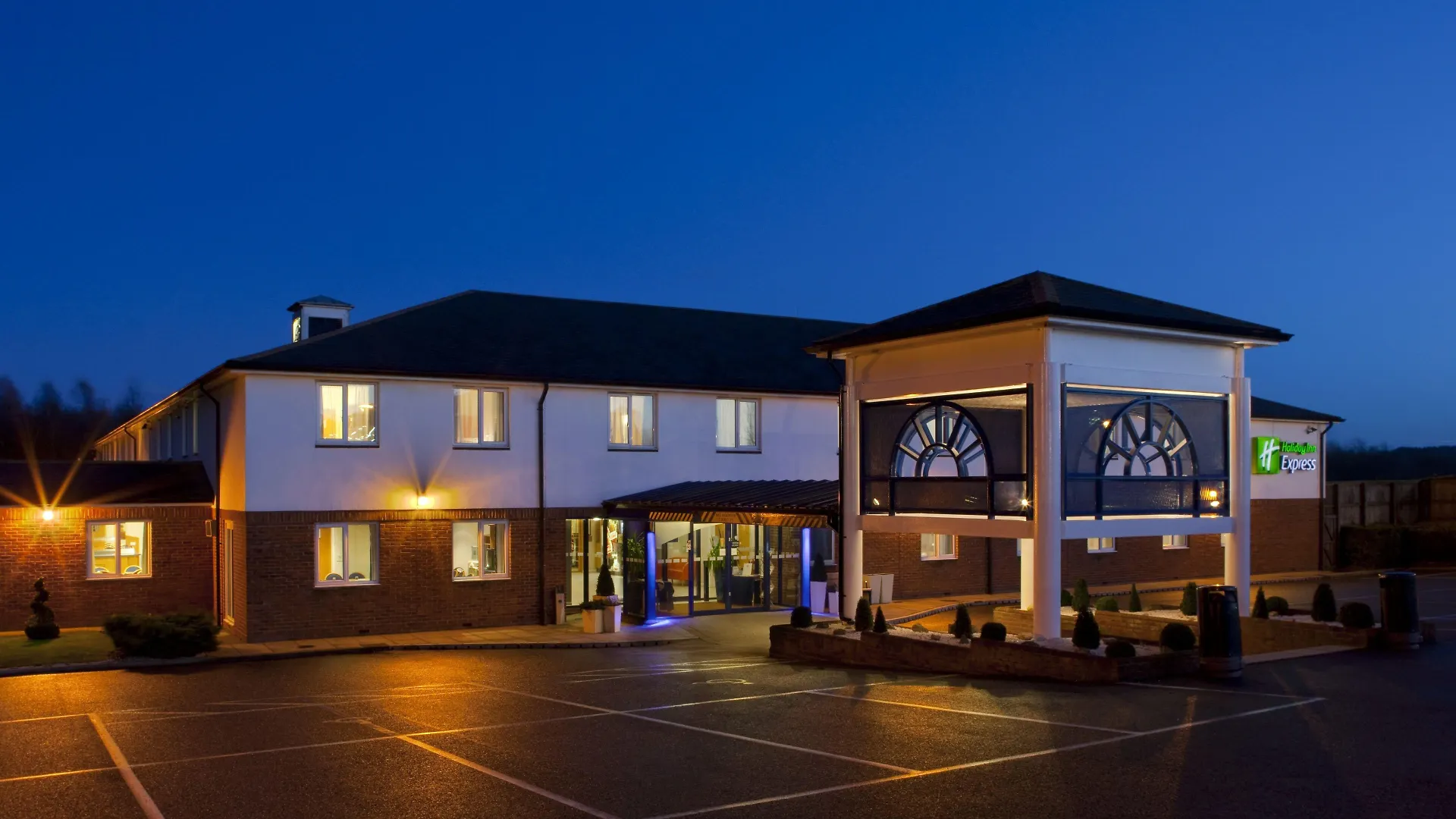
For visitors prioritising Wildwood Trust as their main daytime activity, the most practical positioning is either along the A2 corridor - where Holiday Inn Express Canterbury sits in Upper Harbledown - or in central Canterbury, from where the A291 via Sturry Road takes you to Herne in around 20 minutes with free-flowing traffic. Hotels with free on-site parking eliminate the daily cost and friction of Canterbury's public car parks, which matters when you are driving in and out to the trust. The St Dunstan's Street area near Canterbury West Station and the New Dover Road corridor south of the city walls are both within easy reach of the centre without being inside the pedestrianised zone, giving a useful balance of access and practicality.
Beyond Wildwood Trust, the area supports a strong day-trip circuit: Canterbury Cathedral, the Roman Museum, the Canterbury Tales attraction on St Margaret's Street, and Westgate Towers are all within the city walls. Whitstable harbour and its oyster stalls are a 15-minute drive north, and the chalk cliffs at Margate are reachable in under 40 minutes along the coast road. Spring and early summer are the busiest periods for Wildwood Trust, with school holiday weekends in particular pushing Canterbury hotel availability down sharply - booking at least 6 weeks ahead is strongly advisable for those dates. For a stay that covers both Wildwood and Canterbury's historic core, two nights is the practical minimum.
Best Value Stays
These hotels offer strong character, practical facilities, and competitive rates - making them the most cost-efficient base for a Wildwood Trust visit combined with Canterbury sightseeing.
-
1. Holiday Inn Express Canterbury By Ihg
Show on map


 Check-infrom 15:00 until 23:59Check-outuntil 12:00
Just a few rooms left at the best rate!
from£ 60
-
2. Best Western Abbots Barton Hotel
Show on map


 Check-infrom 15:00 until 23:59Check-outuntil 11:00
Just a few rooms left at the best rate!
from£ 84
-
3. The Victoria Hotel
Show on map


 Check-infrom 14:00 until 23:59Check-outfrom 07:00 until 11:00
Just a few rooms left at the best rate!
from£ 57
-
4. The Grove Ferry Inn
Show on map


 Check-infrom 14:00 until 23:00Check-outfrom 08:00 until 10:00
Hurry – almost gone at this price!
from£ 62
Best Premium Stays
These hotels occupy landmark locations or historic buildings in and around Canterbury, offering a higher level of setting, atmosphere, and design character for visitors willing to invest more in where they sleep.
-
5. The Falstaff In Canterbury
Show on map


 Check-infrom 15:00 until 23:59Check-outuntil 11:00
Hurry – almost gone at this price!
from£ 79
-
6. Abode Canterbury
Show on map


 Check-infrom 15:00 until 23:59Check-outuntil 11:00
Hurry – almost gone at this price!
from£ 83
-
7. Canterbury Cathedral Lodge
Show on map


 Check-infrom 15:00 until 23:59Check-outfrom 07:00 until 11:00
Rooms filling fast – secure the best rate!
from£ 85
-
8. The Marine
Show on map


 Check-infrom 14:00 until 21:30Check-outuntil 11:00
Rooms filling fast – secure the best rate!
from£ 110
Smart Timing & Booking Advice for Wildwood Trust Visits
Wildwood Trust operates year-round, but visitor numbers peak sharply during UK school holidays - particularly Easter week, the last two weeks of July, and the entirety of August. During these windows, Canterbury hotel availability drops significantly, and rates at the Cathedral-area properties can increase by around 35% compared to equivalent shoulder-season dates. Booking at least 6 weeks ahead for any summer or bank holiday stay is the realistic minimum, particularly for the Cathedral Lodge and Abode Canterbury which have limited room counts and sell out earliest.
Autumn - specifically late September through November - is the most strategically underrated period for this area. Wildwood Trust's woodland trails are visually at their strongest during this window, Canterbury's visitor crowds thin considerably after the summer peak, and hotel rates retreat to their most competitive levels of the year. Spring visits in April and May offer the best wildlife activity at the trust, particularly for wolf, lynx, and deer sightings, but coincide with school Easter holidays when Canterbury fills quickly. Two nights is the practical minimum to cover a full Wildwood Trust visit alongside Canterbury Cathedral, the Roman Museum, and Westgate Towers without feeling rushed. Last-minute bookings are genuinely viable only in January and February, when Canterbury sees its lowest hotel occupancy of the year.