Oxford City Centre places you within walking distance of the Bodleian Library, the Covered Market, and the historic college quads that define this city's identity. This guide compares 6 four-star hotels in Oxford City Centre - covering location trade-offs, room quality, and booking strategy to help you choose without second-guessing.
What It's Like Staying In Oxford City Centre
Oxford City Centre is compact by design - the distance from the train station to Magdalen College along the High Street is around 2 kilometres, and most four-star hotels sit within that corridor. Foot traffic is constant during daytime hours, with tourist groups, university staff, and cyclists filling the narrow lanes from early morning. Evenings are livelier around the Cowley Road fringe and quieter near Wellington Square and the Ashmolean end of the centre. Parking is genuinely difficult and expensive in the centre itself, so guests arriving by car should factor in garage costs or use the park-and-ride network.
Pros:
- Walking access to over a dozen university colleges, the Bodleian, and the Covered Market without needing transport
- Oxford train station connects to London Paddington in around 1 hour, making day-trip flexibility realistic
- Concentration of restaurants, pubs, and cultural venues within a short radius means no taxi dependency in the evening
Cons:
- Street noise from cyclists, buses, and tourists can affect lighter sleepers, especially on the High Street and Cornmarket
- Parking is nearly unusable for self-drive guests - street spaces are scarce and hotel parking is limited or chargeable
- Peak academic events (matriculation, graduation) can push availability and rates up sharply with minimal warning
Why Choose a 4-Star Hotel In Oxford City Centre
Four-star hotels in Oxford City Centre typically occupy historic buildings - converted coaching inns, Victorian institutions, or Georgian townhouses - which means character is often part of the product rather than a marketing add-on. En-suite bathrooms, free WiFi, breakfast options, and 24-hour front desks are standard across this tier, but the physical room sizes vary considerably depending on the building's original structure. A four-star room in a converted Victorian prison will feel different from one in a modern Marriott build, and that trade-off matters when choosing. Rates at this tier in central Oxford generally sit above budget chains by around 40%, but the proximity savings on taxis and the quality of in-house dining often offset the gap for stays of two nights or more.
Main advantages of four-star hotels in Oxford City Centre:
- Breakfast included or available on-site at most properties, removing the need to navigate a crowded city centre morning
- Buildings with historic credentials (coaching inns, university campuses, Victorian architecture) add tangible context to a stay
- Room service, luggage storage, and staffed reception mean practical needs are covered without relying on external services
Main trade-offs in this specific zone:
- Room sizes can be compact in heritage buildings where structural walls limit layout flexibility
- Limited on-site parking is a recurring issue - only a minority of central properties offer it, and it often carries an extra charge
- High demand from both leisure and academic visitors means last-minute availability is unreliable, particularly on weekends
Practical Booking & Area Strategy
The strongest micro-locations for four-star hotels in Oxford City Centre cluster around three axes: the High Street (direct access to Magdalen, Queen's, and All Souls colleges), Wellington Square near the Ashmolean Museum, and the riverbank at Folly Bridge near the Thames. Hotels on or just off the High Street give you immediate access to Oxford's most walked route, while properties near Wellington Square sit in a noticeably quieter pocket despite being under 10 minutes from the Bodleian on foot. The Oxford Tube coach to London Victoria and the X90 express both run frequently from the city centre, giving viable alternatives to the train for budget-conscious day-trippers.
Key visitor draws within walking distance include the Bodleian Library, the Ashmolean Museum (free entry), the Bridge of Sighs, the Covered Market, and punting hire on the Cherwell at Magdalen Bridge. Book at least 6 weeks ahead for stays during Oxford's graduation season in late June and July, or during the Oxford Literary Festival in March - rates and availability shift dramatically during those windows. For off-peak visits in January and February, last-minute rates can be meaningfully lower without sacrificing room quality.
Best Value Stays
These properties deliver four-star facilities in central Oxford locations with strong logistical positioning - suited to guests who want walkability and solid amenities without the premium pricing of the city's most-recognised hotel names.
-
1. Rewley House University Of Oxford
Show on map


 Check-infrom 14:00 until 23:00Check-outfrom 08:00 until 10:00
Just a few rooms left at the best rate!
from£ 109
-
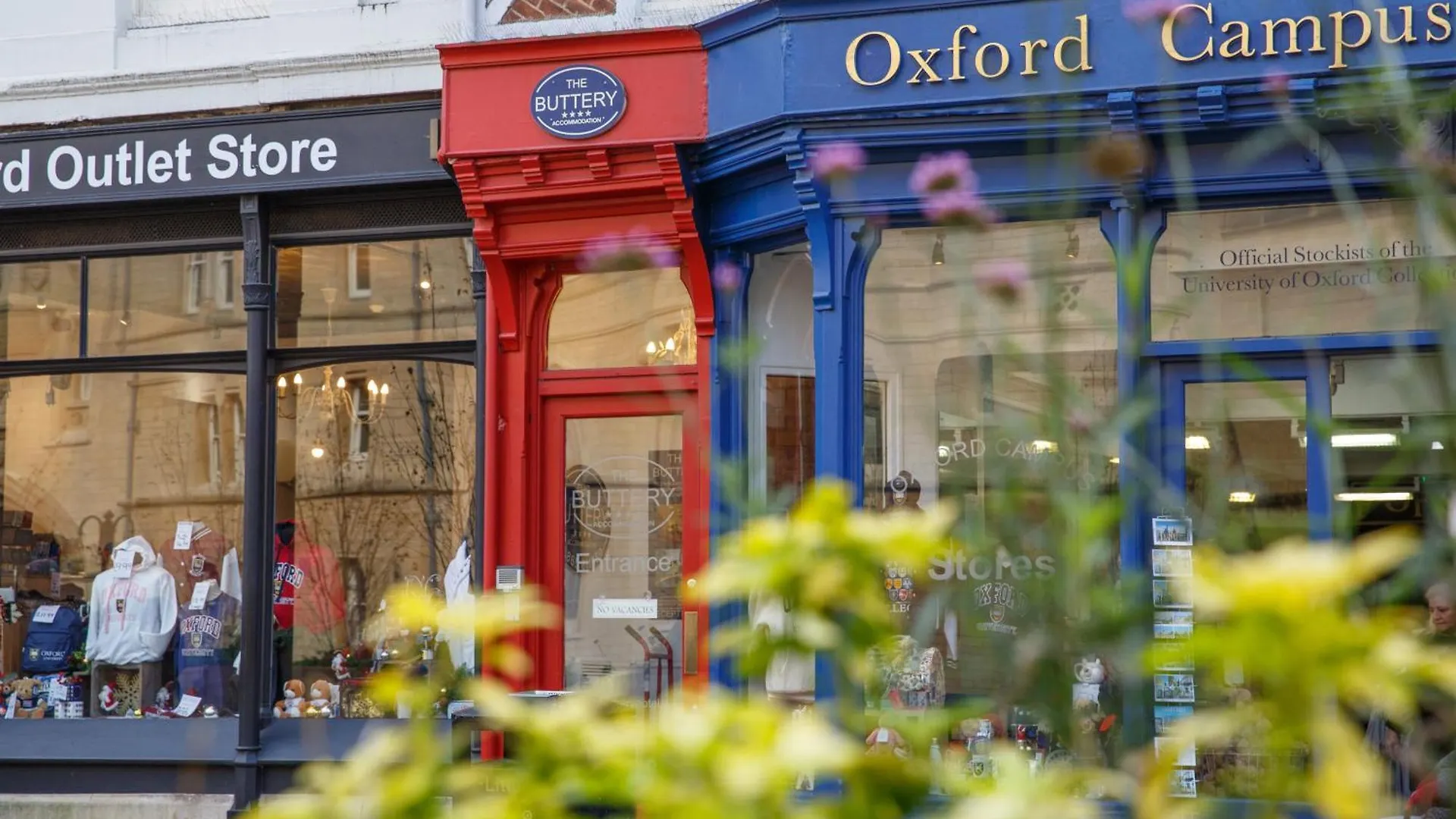
2. The Buttery
Show on map


 Check-infrom 14:00 until 23:30Check-outfrom 06:00 until 11:00
Just a few rooms left at the best rate!
from£ 67
-
3. Head Of The River
Show on map


 Check-infrom 15:00 until 22:00Check-outfrom 07:00 until 11:00
Hurry – almost gone at this price!
from£ 153
Best Premium Stays
These four-star properties in Oxford City Centre carry stronger brand recognition, distinctive architectural identities, or a broader range of in-house services - and their pricing reflects it. Each one offers a specific reason to pay the premium beyond simply being central.
-
4. Mercure Oxford Eastgate Hotel
Show on map


 Check-infrom 14:00 until 23:59Check-outuntil 12:00
Hurry – almost gone at this price!
from£ 59
-
5. Courtyard By Marriott Oxford City Centre
Show on map


 Check-infrom 15:00 until 23:59Check-outuntil 12:00
Rooms filling fast – secure the best rate!
from£ 158
-
6. Malmaison Oxford
Show on map


 Check-infrom 15:00 until 23:59Check-outuntil 11:00
Rooms filling fast – secure the best rate!
from£ 144
Smart Travel & Timing Advice for Oxford City Centre
Oxford's visitor calendar is shaped more by academic events than by seasons, which makes timing strategy different here than in most UK cities. Late June and July are the most congested weeks - graduation ceremonies bring families into the centre in large numbers, hotel rates rise sharply, and room availability at four-star properties can evaporate within days of the schedule being confirmed. The Oxford Literary Festival in late March creates a secondary demand spike that catches many visitors off-guard when booking spring trips.
September is the most underrated month: the summer tourist rush has subsided, the academic year is just beginning, and the city centre feels purposeful rather than crowded. January and February offer the lowest rates of the year at most properties, and the city's indoor attractions - the Ashmolean, the Bodleian, the Museum of Natural History - remain fully operational. Two nights is the practical minimum for a city centre stay that covers the colleges, a punt, and an evening in one of the riverside pubs; three nights allows the Covered Market, the Botanic Garden, and a day trip to Blenheim Palace without feeling rushed. Book at least 6 weeks ahead for any weekend stay between May and August - last-minute availability in that window is genuinely unreliable across the four-star tier.