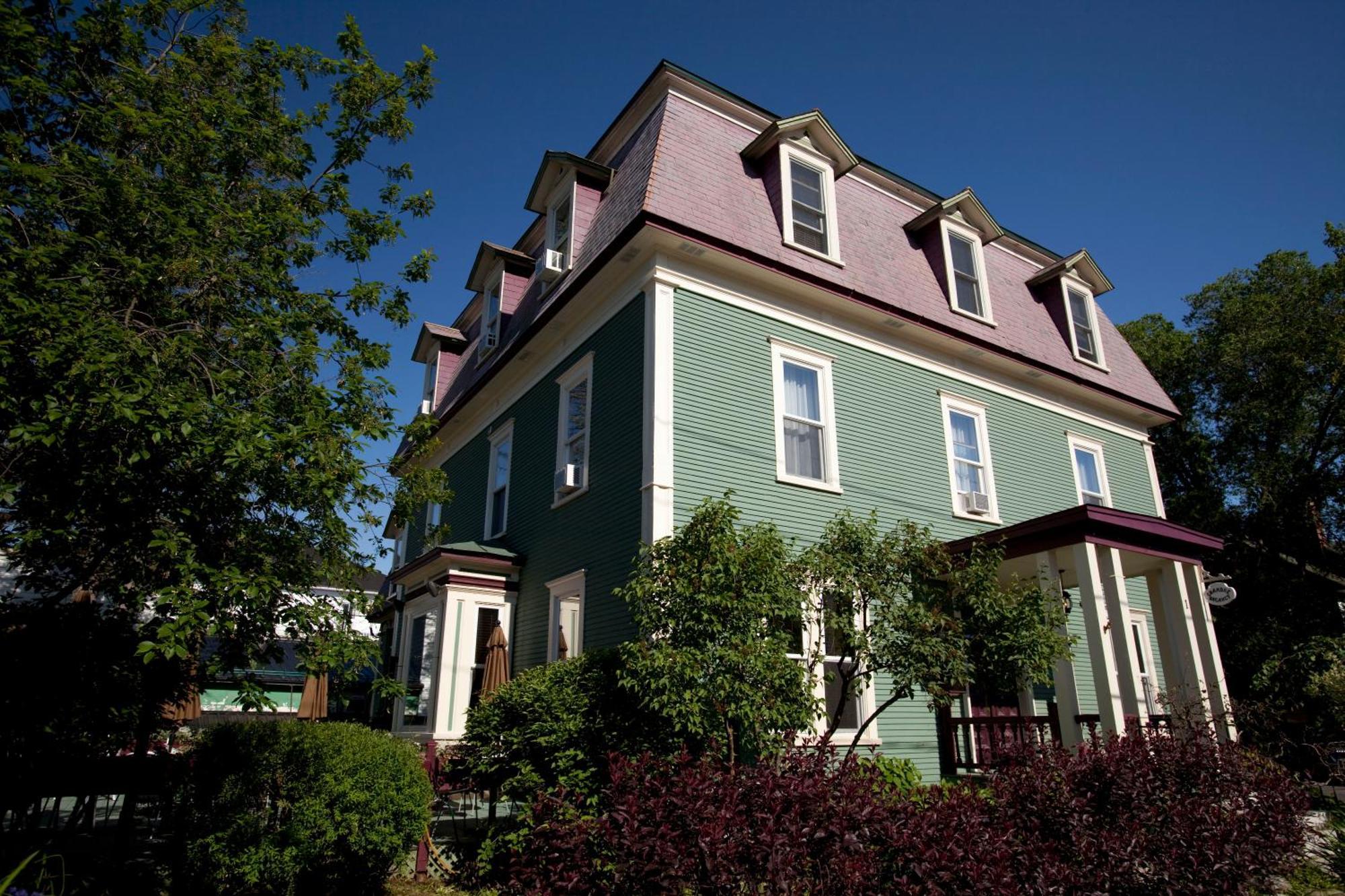
Quebec is one of North America's most historically layered destinations, where centuries-old architecture, French-Canadian heritage, and dramatic natural landscapes converge. These 4 historical hotels in Quebec offer far more than a place to sleep - they place you inside the living fabric of the province's most storied towns and regions.
What It's Like Staying in Quebec
Quebec is the only predominantly French-speaking province in Canada, and that cultural identity shapes everything from signage to cuisine to the pace of daily life - a detail that catches many first-time visitors off guard. Most major attractions cluster in a handful of distinct towns, meaning your hotel's precise location determines whether you walk to whale-watching docks or need a car for every outing. The province covers an enormous area, so travelers without a rental vehicle may find distances between regions impractical, especially outside Montreal and Quebec City.
Pros:
- Concentrated historic districts in towns like Tadoussac and Chicoutimi make walkable sightseeing genuinely feasible
- Quebec's bilingual hospitality industry means English-speaking travelers face very few communication barriers at hotels
- The Saguenay Fjord and St. Lawrence River create dramatic natural backdrops accessible directly from several historic properties
Cons:
- Rural Quebec towns have limited public transit - a rental car is effectively mandatory outside urban centers
- Shoulder and winter seasons bring dramatic price swings and reduced restaurant hours near smaller historic hotels
- Summer whale-watching season drives accommodation demand sharply upward, compressing availability by around 70% in coastal towns like Tadoussac
Why Choose Historical Hotels in Quebec
Historical hotels in Quebec occupy buildings with genuine architectural provenance - Victorian manor houses, early 20th-century resort hotels, and riverside auberges - rather than properties that simply use heritage aesthetics as décor. These properties often sit directly on the most scenic or culturally significant plots in their respective towns, giving guests a geographic advantage that newer builds simply cannot replicate. Expect rooms that average slightly smaller than modern hotel standards, but with character features - original woodwork, bay windows, period furnishings - that justify the trade-off for most travelers.
Pros:
- Prime positioning in town centers or on elevated viewpoints, often within walking distance of major landmarks
- On-site restaurants at Quebec's historic hotels frequently source regionally, offering cuisine that reflects local culinary traditions
- Atmosphere and storytelling depth that modern chain hotels cannot replicate, particularly valuable for heritage tourism travelers
Cons:
- Room sizes in heritage buildings are typically smaller than equivalent-priced modern hotels, with limited wardrobe and storage space
- Sound insulation in older structures can be inconsistent - a real consideration for light sleepers
- Renovation cycles in historic properties are slower, meaning some amenities like in-room technology or bathroom fixtures may lag behind newer competitors
Practical Booking & Area Strategy
Quebec's historical hotels are spread across four distinct geographic zones: the Saguenay-Lac-Saint-Jean region (Tadoussac, Chicoutimi), the Eastern Townships (Lac-Brome/Knowlton), and the Centre-du-Québec (Drummondville) - each with very different transport realities. Tadoussac requires a ferry crossing from Baie-Sainte-Catherine, which adds logistical planning to any stay, but rewards travelers with immediate access to the confluence of the Saguenay Fjord and the St. Lawrence, one of Canada's most productive whale-watching zones. In Drummondville, the Village Québécois d'Antan - an open-air living history museum - draws strong summer crowds, making late June through August the most competitive booking window in that area. The Eastern Townships around Lac-Brome are popular for ski weekends in winter and vineyard visits in autumn, so booking at least 6 weeks ahead for October foliage or February ski season is strongly advised. Chicoutimi (now Saguenay) anchors the fjord region and offers the most urban infrastructure of the four zones, with golf, sports venues, and dining all within a short drive of historic properties perched on the hillside above the river.
Best Value Historical Stays
These properties offer strong historical character combined with accessible pricing, making them the most practical entry points for travelers exploring Quebec's heritage accommodations.
-
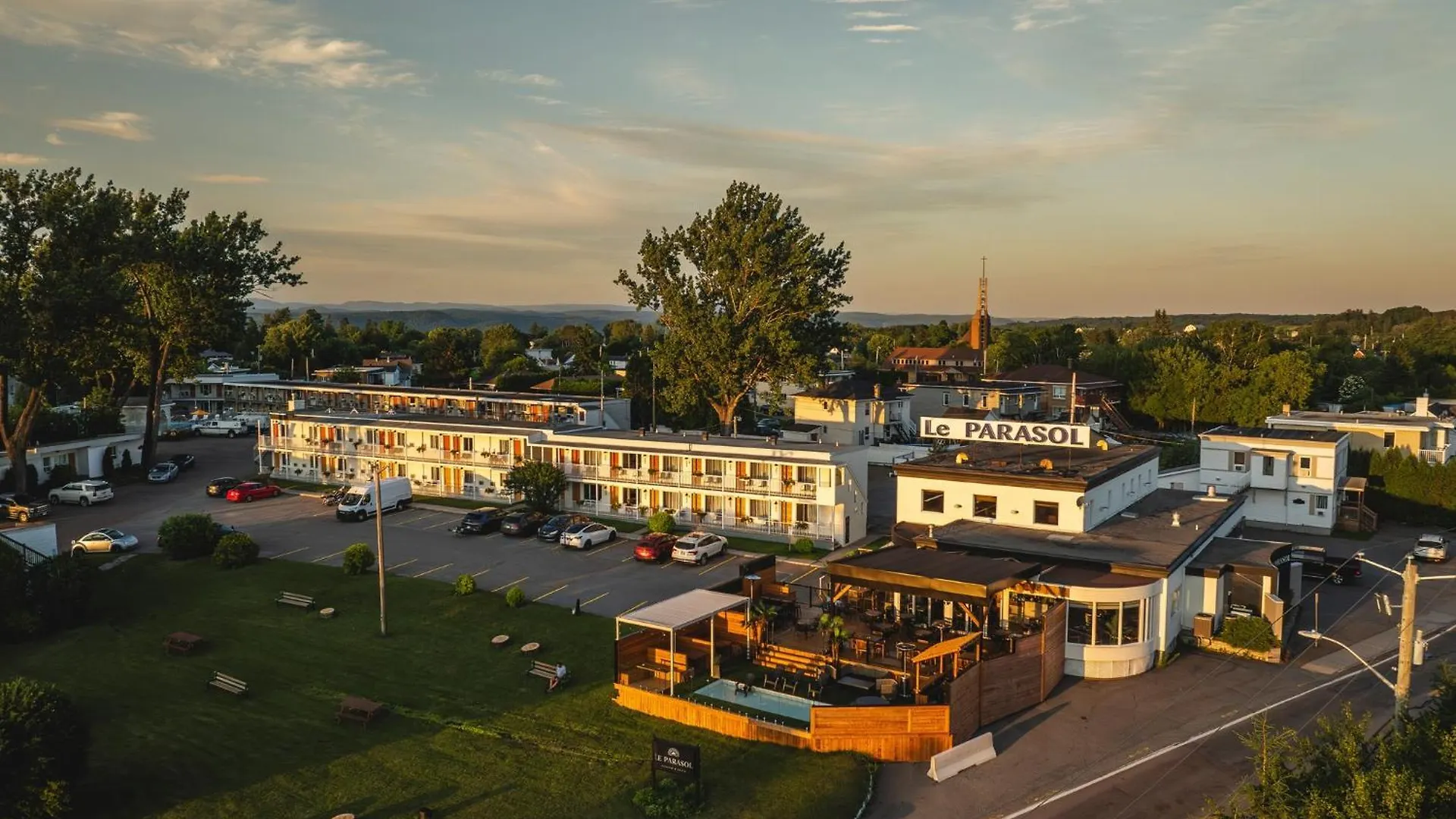
1. Auberge Le Parasol
Show on map


 Check-infrom 16:00 until 23:30Check-outuntil 11:00
Just a few rooms left at the best rate!
fromC$ 166
-
2. Comfort Inn Drummondville - Highway 20
Show on map


 Check-infrom 15:00 until 23:59Check-outuntil 12:00
Just a few rooms left at the best rate!
fromC$ 143
Best Premium Historical Stays
These properties deliver a stronger sense of heritage immersion, commanding locations, and a wider amenity range - suited to travelers for whom atmosphere and setting are non-negotiable.
-
3. Hotel Tadoussac
Show on map


 Check-infrom 16:00 until 23:59Check-outuntil 11:00
Hurry – almost gone at this price!
fromC$ 183
-
4. Auberge Knowlton
Show on map


 Check-infrom 15:00 until 21:00Check-outfrom 07:00 until 11:00
Rooms filling fast – secure the best rate!
fromC$ 137
Smart Travel & Timing Advice for Quebec's Historical Hotels
Quebec's peak tourism window runs from late June through August, driven by whale-watching season in Tadoussac, open-air museum programming in Drummondville, and hiking and lake activity in the Eastern Townships - all of which push nightly rates significantly higher and reduce last-minute availability to near zero at historic properties. Booking at least 8 weeks in advance for any July or August stay is the baseline strategy, particularly for Hotel Tadoussac, where the combination of limited room count and iconic status creates persistent demand pressure. September is arguably the strongest value month in Quebec: foliage begins in the Laurentians and Eastern Townships, whale activity remains strong off Tadoussac, and prices drop by around 25% compared to peak summer. Winter stays in Tadoussac and Chicoutimi suit travelers specifically interested in Saguenay ice formations and Quebec's snowshoe culture, but restaurant and activity availability is reduced significantly outside peak season. A minimum 2-night stay is advisable at any of these properties to justify the driving distances between Quebec's historic towns and to absorb the slower, experiential rhythm that heritage hotels are designed to deliver.