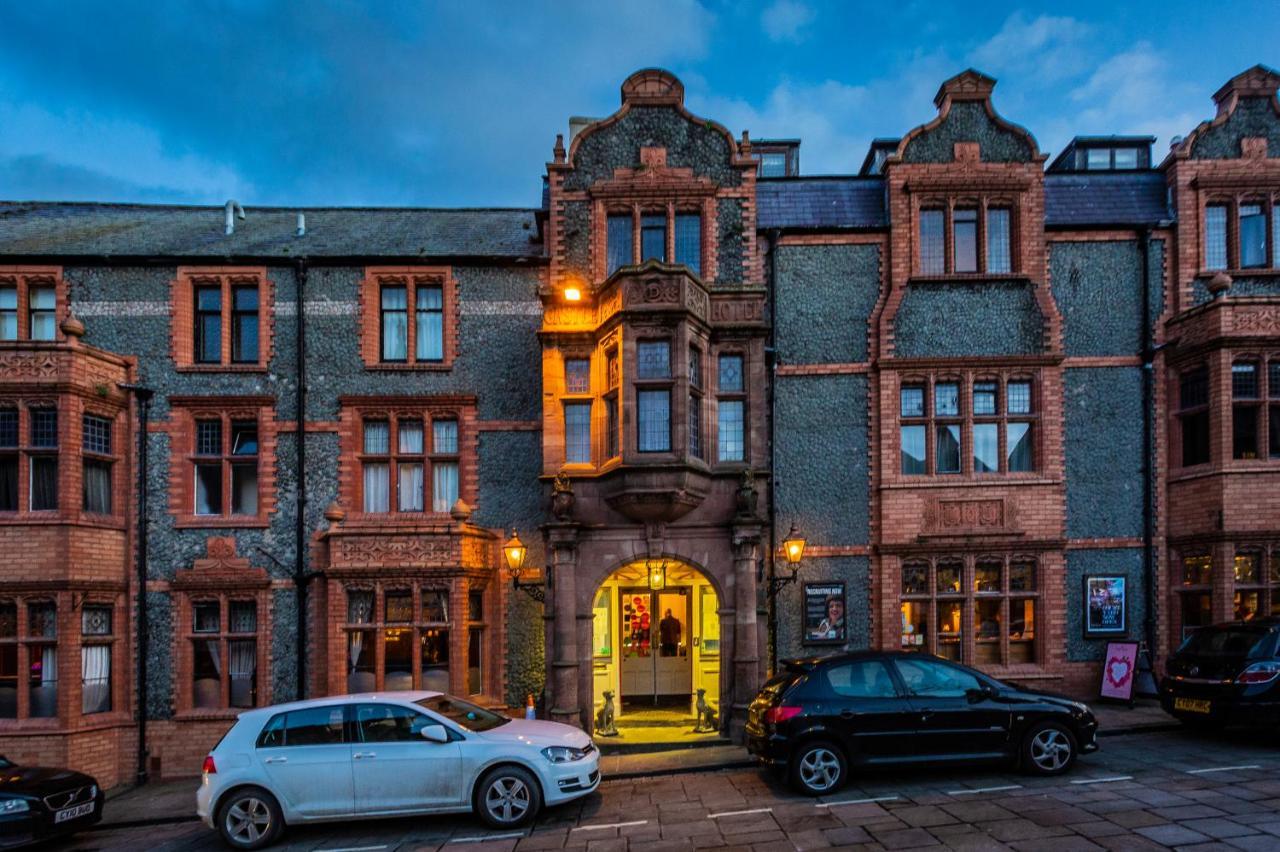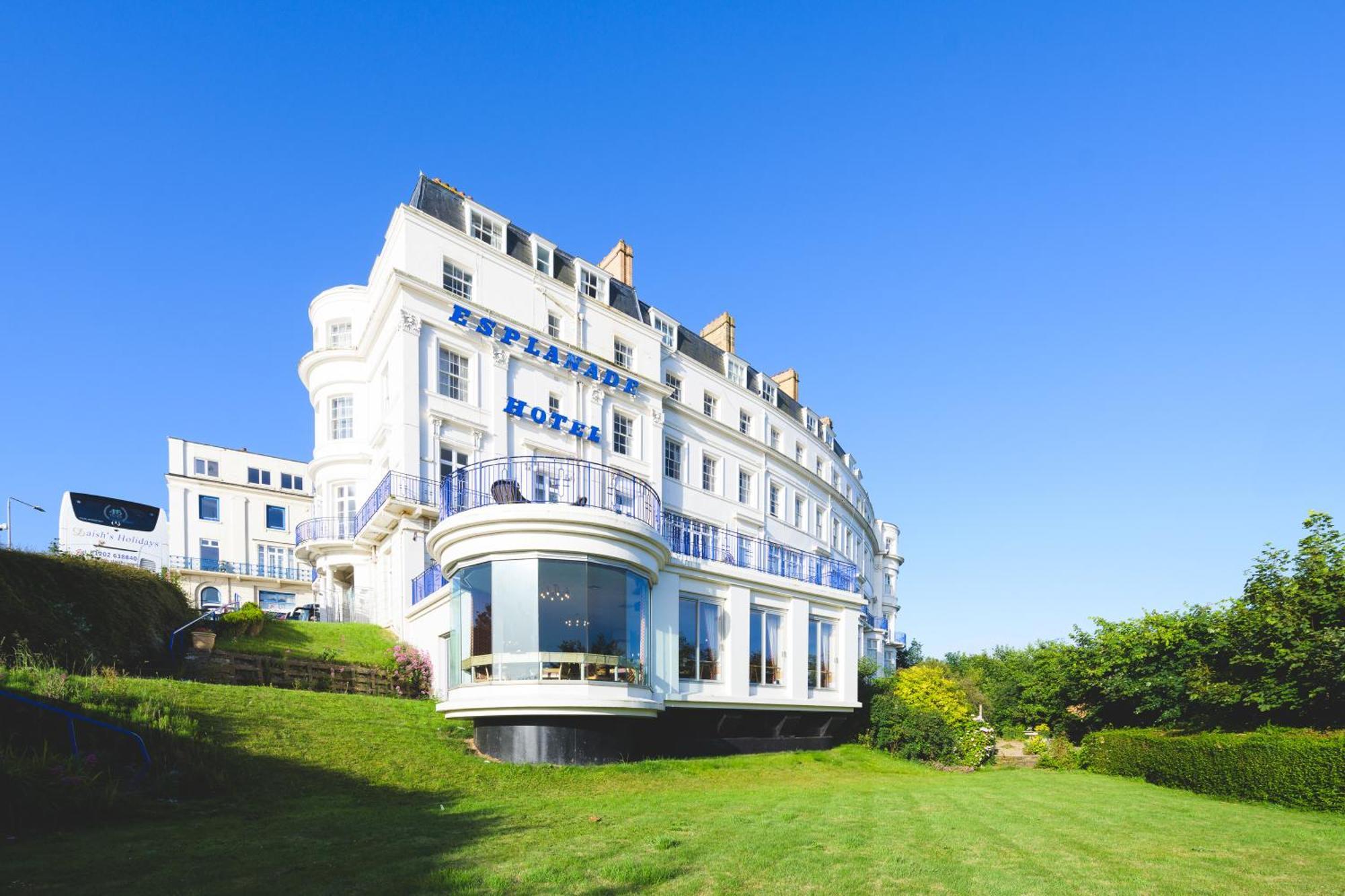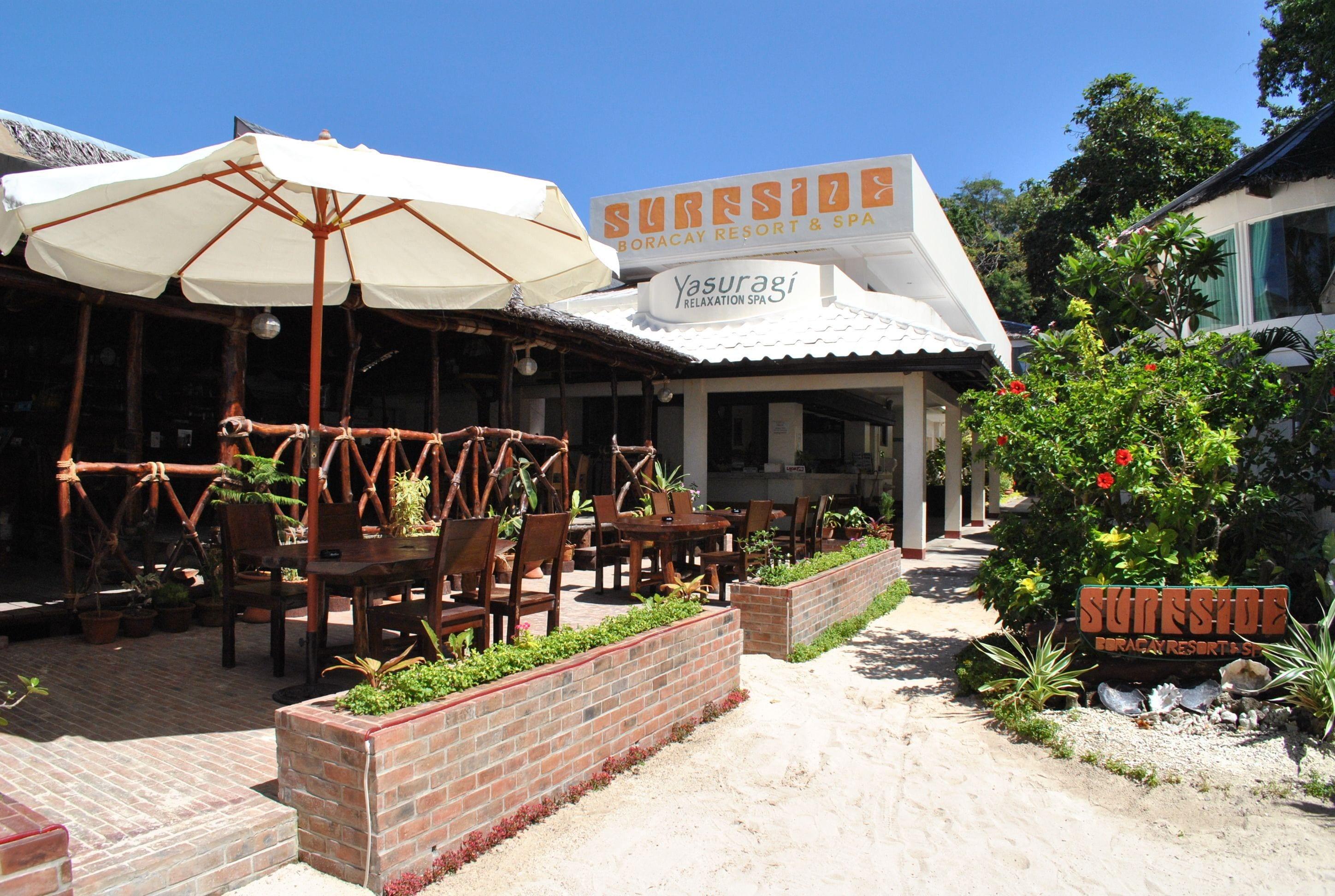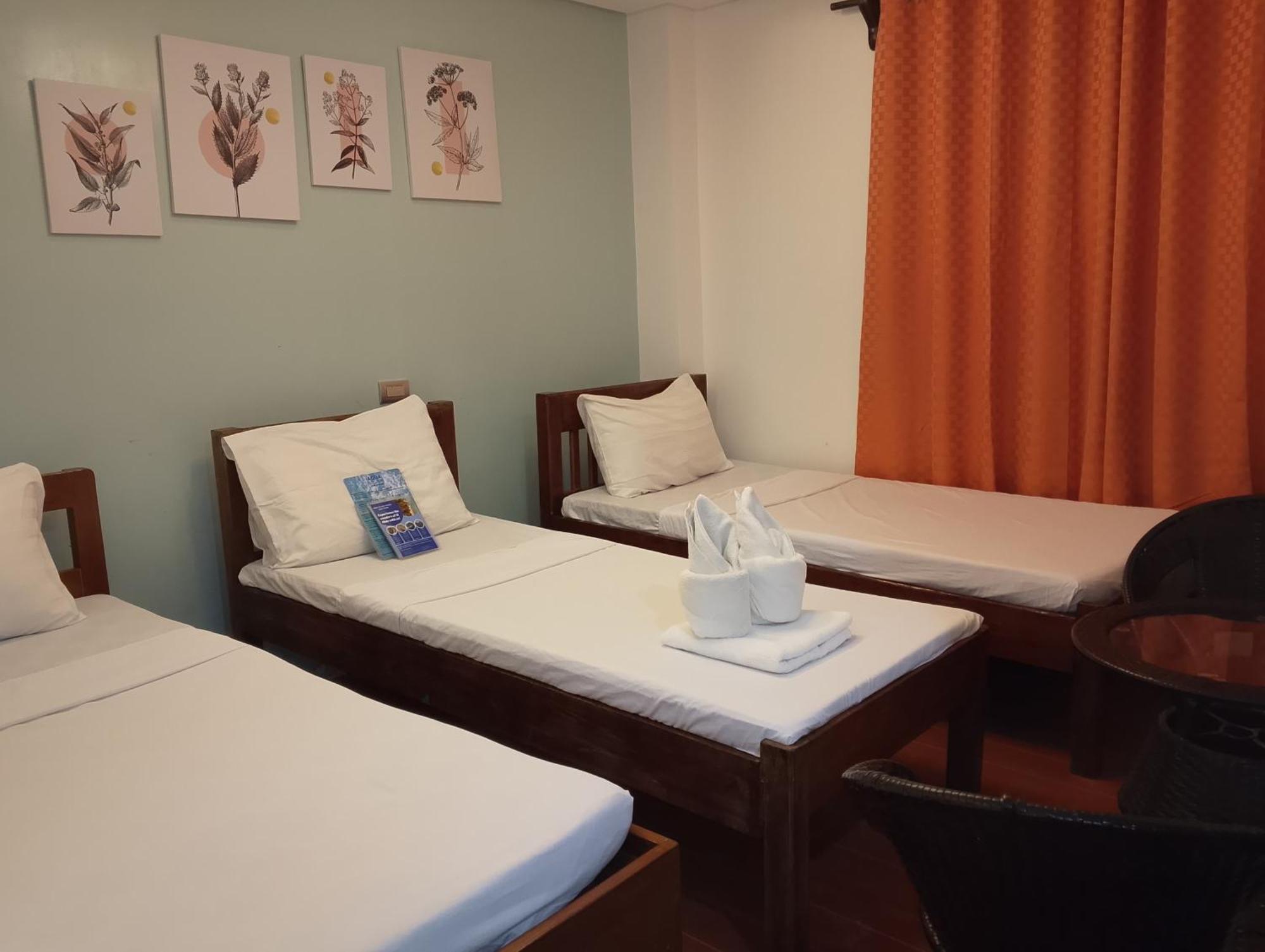
Ilocos Region stretches along the northwestern coast of Luzon, offering some of the Philippines' most accessible and underrated beach destinations - from the turquoise coves of Pagudpud to the island-dotted waters near Alaminos and the surf-friendly shores of San Juan, La Union. Whether you're chasing white sand, beachfront dining, or direct sea access without the overcrowding of Boracay, this coastal corridor delivers a range of beach hotel options that suit different budgets and travel styles.
What It's Like Staying in Ilocos Region
Ilocos Region is best known for its colonial heritage towns like Vigan, its rugged Bangui Wind Farm coastline, and its long stretch of beaches running from La Union in the south to Pagudpud in the north - a driving distance of around 250 kilometers. The region operates at a slower pace than Metro Manila, with most beach areas accessible by tricycle, jeepney, or rented motorbike rather than rideshare apps. Crowd levels vary sharply by season, with Holy Week and summer months (March to May) bringing domestic tourists in full force, while November through February sees far thinner crowds and cooler temperatures ideal for beach stays.
Travelers flying in typically land at Laoag International Airport (for northern Ilocos) or use Clark International Airport as a southern entry point, both requiring additional ground travel. Budget travelers and surf culture seekers tend to concentrate around San Juan, La Union, while those seeking quieter, more remote beaches gravitate toward Pagudpud in Ilocos Norte. Hundred Islands near Alaminos, technically in Pangasinan at the region's edge, draws day-trippers and overnight guests looking for island-hopping without going too far off the beaten path.
Pros:
- Diverse beach types within one region - surf beaches, white sand coves, and island clusters - without needing inter-island flights
- Significantly lower accommodation and food costs compared to Palawan or Boracay, with beachfront stays available at accessible price points
- Ilocos Region combines colonial heritage (Vigan), natural scenery, and beach access in a single road trip itinerary
Cons:
- Public transport between key beach areas is slow and infrequent - renting a vehicle is strongly recommended for multi-destination trips
- During peak domestic holiday periods, beachfront properties book out weeks in advance and prices spike noticeably
- Some beaches in northern Ilocos (including Pagudpud) are far from urban amenities, making convenience-dependent travelers less comfortable
Why Choose Beach Hotels in Ilocos Region
Beach hotels in Ilocos Region offer something that inland accommodations and city hotels simply cannot - direct or near-direct access to the coastline, which is the primary reason most visitors come here in the first place. Unlike beachfront properties in more commercialized Philippine destinations, Ilocos beach hotels tend to be smaller, independently operated, and priced well below comparable options in Boracay or El Nido, often including free parking and open garden spaces that feel genuinely expansive. Room sizes in these properties are generally practical rather than luxurious, with the real value being outdoor areas - terraces, beach access, and sea-view balconies - rather than interior square footage.
The trade-off is that amenities like on-site spas, multiple dining outlets, or concierge-level service are available only at select properties. Around 80% of beach stays in this region are in smaller resorts or inns where the experience is defined by proximity to the water rather than hotel facilities. For travelers whose primary goal is beach access, sunset views, and coastal dining without paying inflated resort rates, this category punches well above its price point in Ilocos.
Pros:
- Beachfront or steps-from-beach positioning at rates far below comparable Philippine beach destinations
- Most properties include free private parking - practical for road-trippers driving the Ilocos coastal route
- Sea-view rooms, terraces, and private beach areas are standard features rather than premium upgrades at many properties
Cons:
- Amenity depth is limited - few properties offer multiple restaurants, gyms, or spa facilities comparable to resort-class hotels
- Some beach hotels are located far from the nearest town, limiting dining and evening entertainment options beyond the property
- Internet connectivity and room technology (smart TVs, high-speed WiFi) can be inconsistent in more remote coastal locations
Practical Booking & Area Strategy for Ilocos Beach Hotels
The Ilocos coastline is long, so choosing the right base matters more than in a compact destination. San Juan in La Union is the most convenient beach hub - it has surf schools, a growing restaurant scene, and is reachable from Manila in around 6 hours by bus, making it practical for weekend travelers. Pagudpud in Ilocos Norte sits at the northern tip and is best suited for those doing a full Ilocos road loop or flying into Laoag - its beaches like Blue Lagoon and Saud are among the most visually striking in Luzon, but the remoteness means you need a private vehicle or arranged transfers. Alaminos, near Hundred Islands National Park, works best as a one or two-night add-on for island-hopping day trips, with the park entrance just minutes from nearby beachfront accommodations.
For transport, renting a car or joining a guided van tour gives the most flexibility across the region's spread-out beach areas. Book at least 3 weeks ahead for Holy Week and the summer peak (April-May), when domestic demand fills coastal properties quickly. During the November-January shoulder period, last-minute availability improves and rates drop noticeably, though some smaller properties reduce services or close for maintenance. Night-time safety in beach areas across Ilocos is generally relaxed, with most coastal communities being quiet and low-traffic after 10 PM.
Best Value Beach Stays
These properties offer direct or near-direct beach access at entry-level and mid-range price points, making them strong picks for budget-conscious travelers and road-trippers prioritizing location over luxury amenities.
-
1. Value Star Inn
Show on map


 Check-infrom 14:00 until 23:59Check-outuntil 12:00
Just a few rooms left at the best rate!
fromPHP 1296
-
2. Bolo Beach Santorini Nearby To Hundred Island
Show on map


 Check-infrom 14:00 until 15:00Check-outuntil 11:00
Just a few rooms left at the best rate!
fromPHP 4381
Best Premium Beach Stays
These properties go beyond basic beach access - offering swimming pools, spa facilities, full restaurant service, and sea-view rooms with a broader set of on-site amenities suited for travelers who want comfort alongside their coastal stay.
-
3. P&M Final Option Beach Resort
Show on map


 Check-infrom 14:00 until 22:00Check-outfrom 06:00 until 12:00
Hurry – almost gone at this price!
fromPHP 12465
-
4. Blue Lagoon Inn And Restaurant, Pagudpud
Show on map


 Check-infrom 13:00 until 17:00Check-outfrom 09:00 until 11:00
Rooms filling fast – secure the best rate!
fromPHP 2715
Smart Travel & Timing Advice for Ilocos Beach Hotels
The best window for beach stays in Ilocos Region is November through February, when the dry northeast monsoon keeps skies clear along the western and northern coastlines, temperatures are cooler, and domestic tourist crowds are thinner. March through May is peak season - beaches in San Juan and Pagudpud fill quickly, and beachfront properties regularly sell out weeks in advance, often with prices elevated by around 40% compared to off-peak months. The rainy season (June through October) brings rougher seas, particularly in Pagudpud, though La Union beaches remain more sheltered and see surf conditions that attract wave riders rather than leisure swimmers.
For most itineraries, a minimum of 2 nights per beach area is practical - Pagudpud and Alaminos especially require overnight stays to justify the travel time from Manila or Laoag. Book at least 4 weeks ahead for any Holy Week travel, as this is the single highest-demand period across all Philippine beach destinations. Last-minute bookings in the November-January window are more feasible, but properties like Blue Lagoon Inn fill faster than their size suggests due to limited rooms and high demand for that specific beach. Arriving mid-week rather than on weekends cuts both crowd density and, at some properties, room rates.