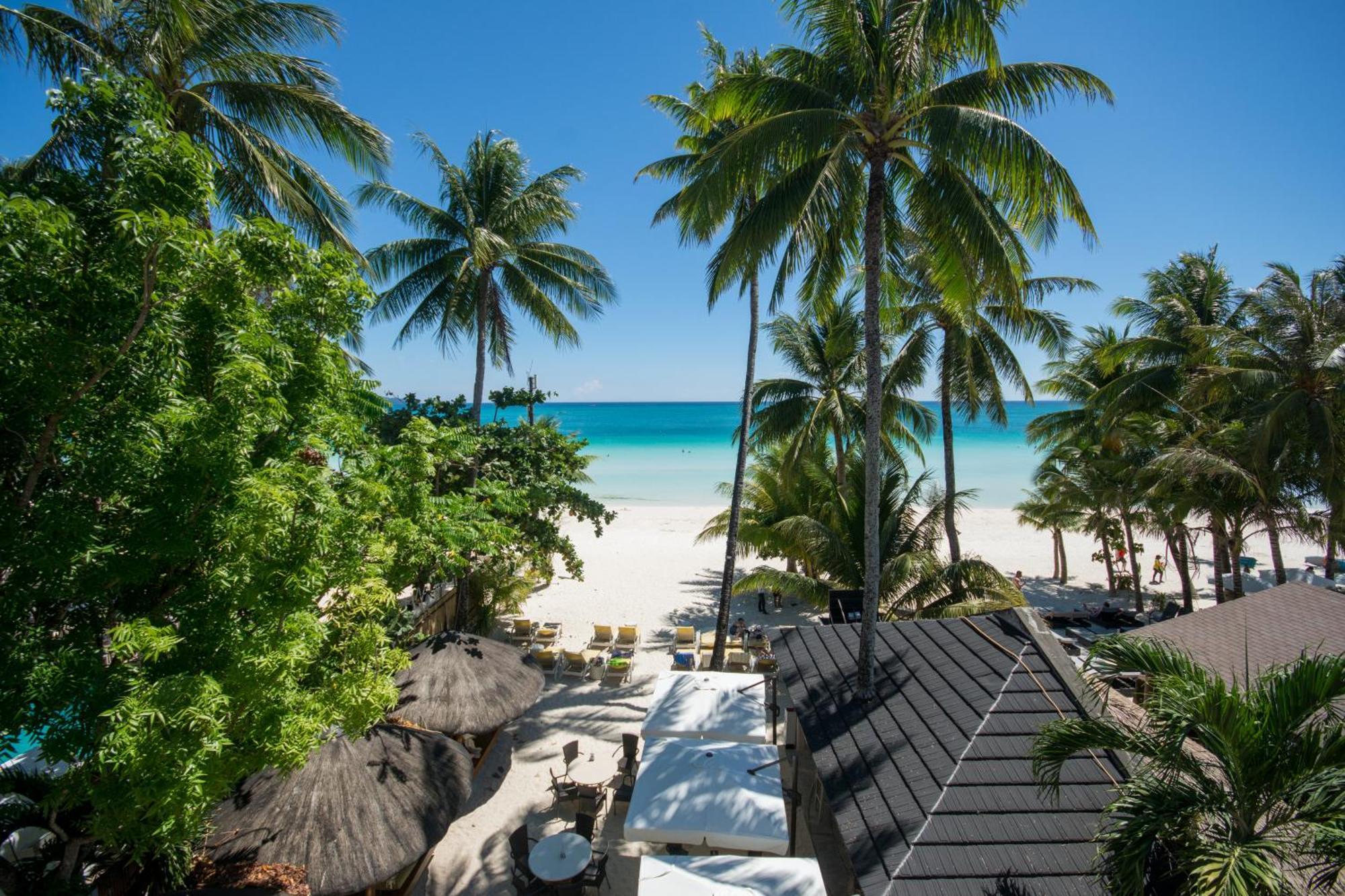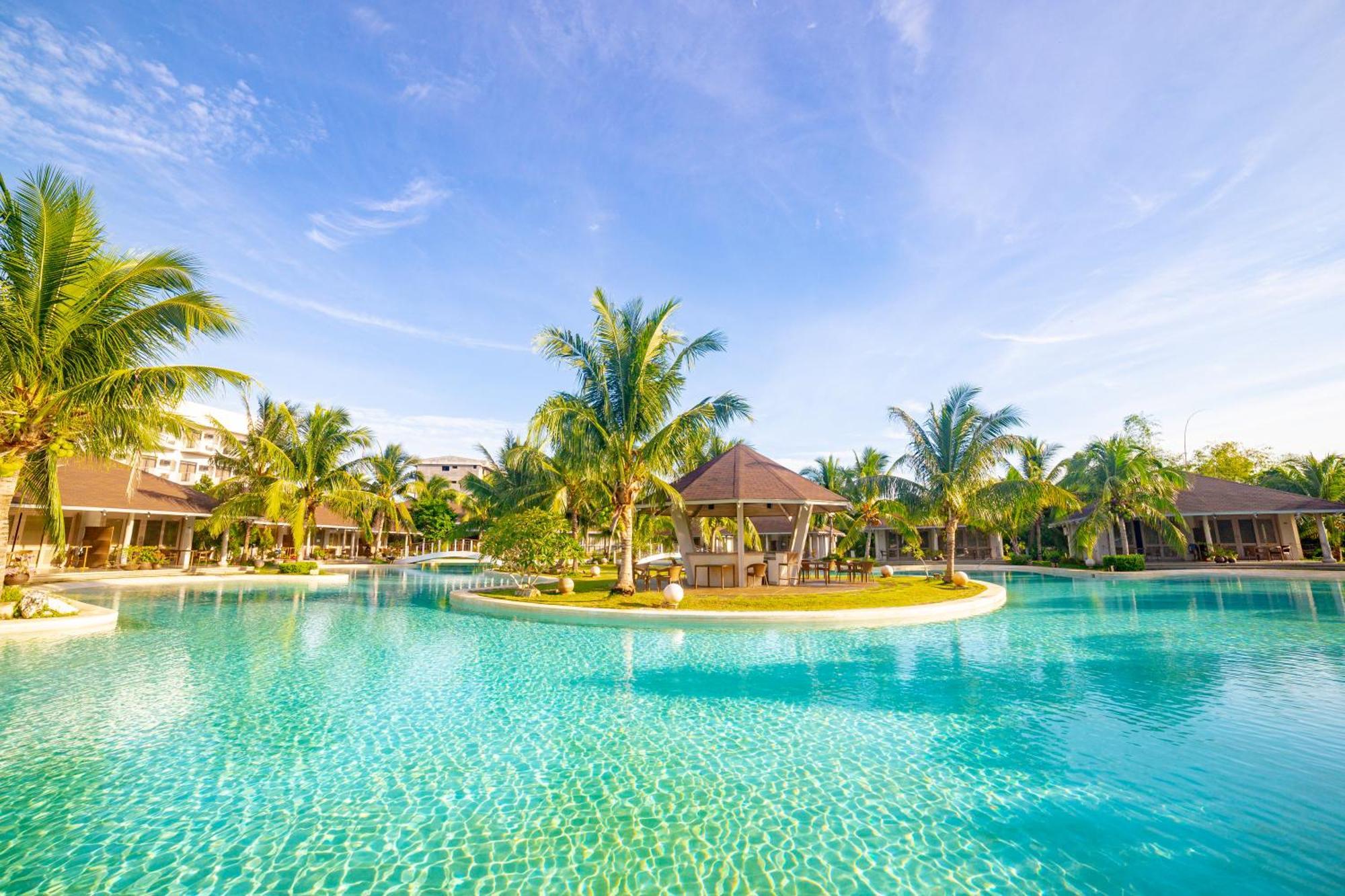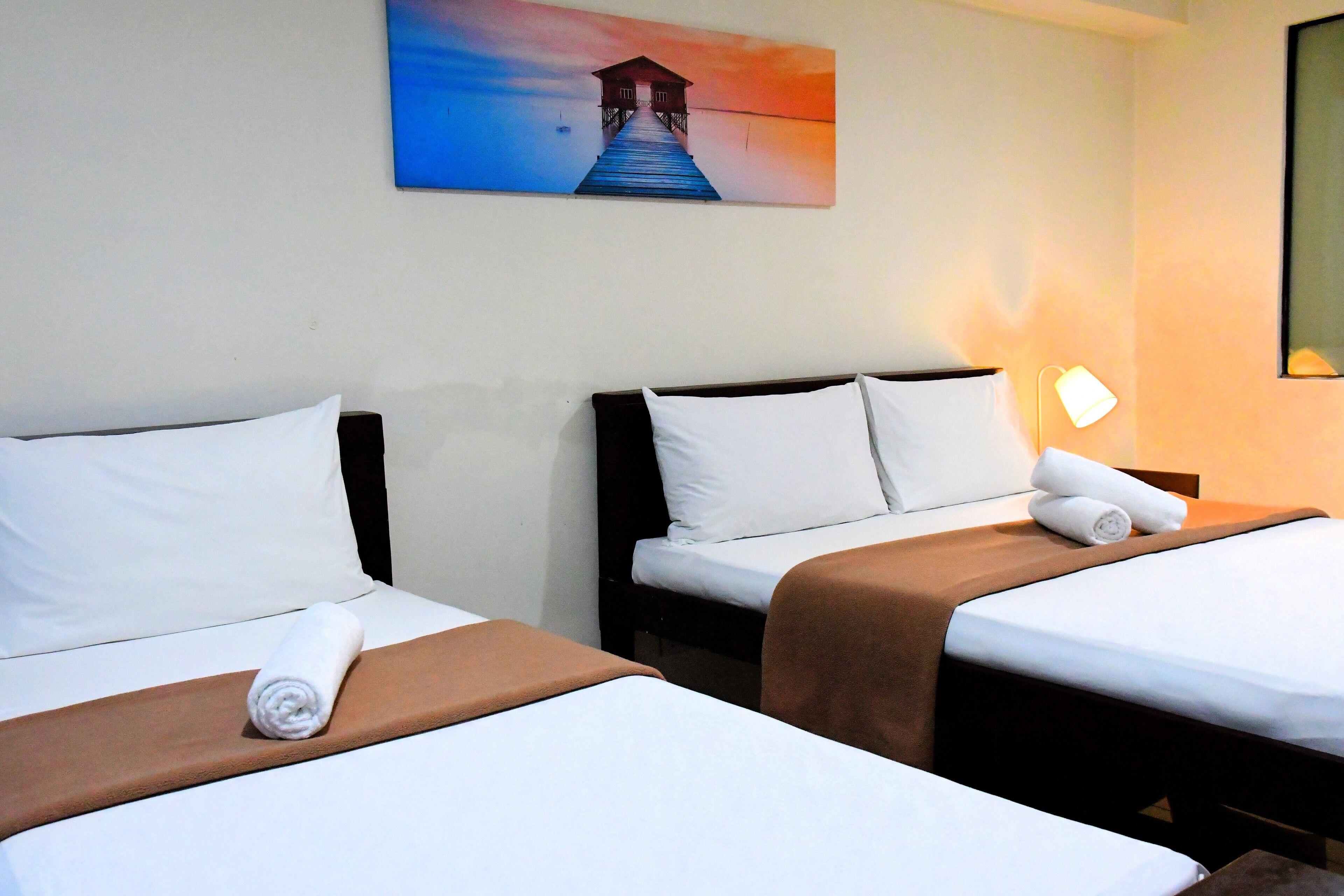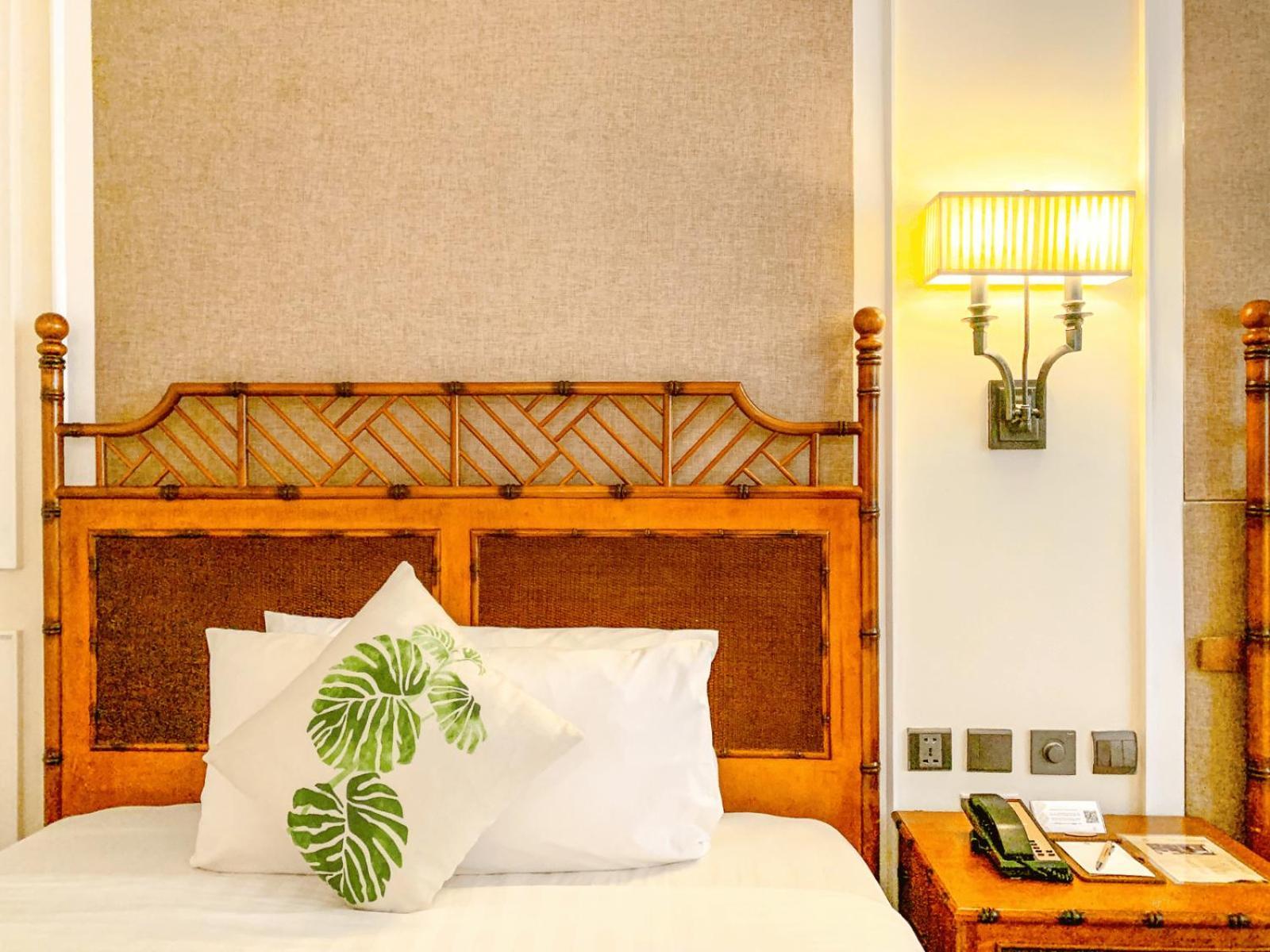
Klotzsche sits roughly 9 km north of Dresden's city centre, directly alongside Dresden Airport (DRS), making it the go-to district for travellers who need proximity to the terminal without sacrificing access to the wider city. The S-Bahn S2 line connects Klotzsche to Dresden Hauptbahnhof in around 23 minutes, running every 30 minutes - a reliable rhythm that suits both early departures and late arrivals. This guide covers the 2 airport hotels in Klotzsche that offer the most practical value for transit stays and short business trips.
What It's Like Staying In Klotzsche
Klotzsche is a low-density, predominantly industrial and residential district on the northern edge of Dresden, bordered by the Dresden Heath (Dresdner Heide) - a protected nature reserve spanning over 5,800 hectares. The district is calm, walkable within the hotel corridor near the airport terminal, and almost entirely free of the tourist foot traffic that fills the Altstadt. There are no major nightlife options in Klotzsche itself, but the S2 S-Bahn puts the Neustadt bar scene and the Baroque Old Town within a 20-minute ride. If your reason for visiting Dresden involves an early flight, a same-day connection, or meetings at the Infineon or Airbus Elbe Flugzeugwerke facilities, Klotzsche removes every logistical obstacle.
Pros:
- * Dresden Airport is walkable or a short taxi ride from hotels in the district, eliminating the need for airport transfers on the day of departure
- * The S-Bahn S2 offers a direct, timed connection to Dresden city centre - no transfers required
- * The Dresden Heath and the garden city of Hellerau (Germany's first garden city) provide genuine green-space access minutes from the hotel cluster
Cons:
- * No walkable restaurants, bars, or supermarkets within the immediate hotel zone at night
- * Flight noise from DRS is audible in parts of the district, particularly during morning departure windows
- * Travellers wanting to explore Dresden's museums, Zwinger Palace, or the Frauenkirche will add a daily commute of around 20 minutes each way
Why Choose Airport Hotels In Klotzsche
Airport hotels in Klotzsche serve a specific and well-defined traveller need: eliminating transit stress on the day of a flight. Unlike city-centre alternatives, these properties price themselves around the convenience premium of proximity to DRS rather than historic-district rates - meaning nightly rates are typically lower than comparable hotels in the Neumarkt or Altstadt area by around 25%. Room configurations tend to be functional and compact, engineered for single- or two-night stays rather than extended leisure visits. The trade-off is clear: you gain zero-friction airport access but limited evening atmosphere, making Klotzsche airport hotels a poor fit for anyone planning to spend more than two nights and wanting to be immersed in Dresden's cultural core.
Pros:
- * Immediate airport proximity cuts departure-day stress for early-morning flights out of DRS
- * Rates average lower than equivalent-category properties in Dresden's central districts
- * Free or low-cost parking is more consistently available than in the Altstadt, useful for drive-in business visitors
Cons:
- * Limited dining options within walking distance means reliance on hotel food or room-based self-catering
- * Properties are built around transit logic, not leisure comfort - amenity depth is narrower than city-centre boutique or lifestyle hotels
- * The S-Bahn runs every 30 minutes, so missing a train adds a noticeable wait when returning from the city late at night
Practical Booking & Area Strategy
The hotel cluster in Klotzsche sits primarily along and near Karl-Marx-Straße and Flughafenstraße, both within a few minutes of the terminal. Guests arriving by S-Bahn should use the Dresden Flughafen station, which is directly connected to the terminal via a covered walkway - no taxi needed. For those driving, parking near Klotzsche hotels is generally available on-site at no or low cost, a significant advantage over central Dresden where garage parking rates add up quickly on multi-day stays. The Hellerau European Centre for the Arts is around 1.6 km from Klotzsche station - reachable on foot or by bus - and the Dresden Heath trailheads start directly at the district boundary, making short hikes or morning runs a realistic option even on transit stays. Book at least 3 weeks ahead for summer departures (June-August), when Dresden Airport handles its highest passenger volume and nearby accommodation tightens.
Best Value Stays
This group covers the more accessible price tier among Klotzsche's airport hotel options, with room formats that prioritise efficient use of space and practical self-sufficiency for short stays near Dresden Airport.
-
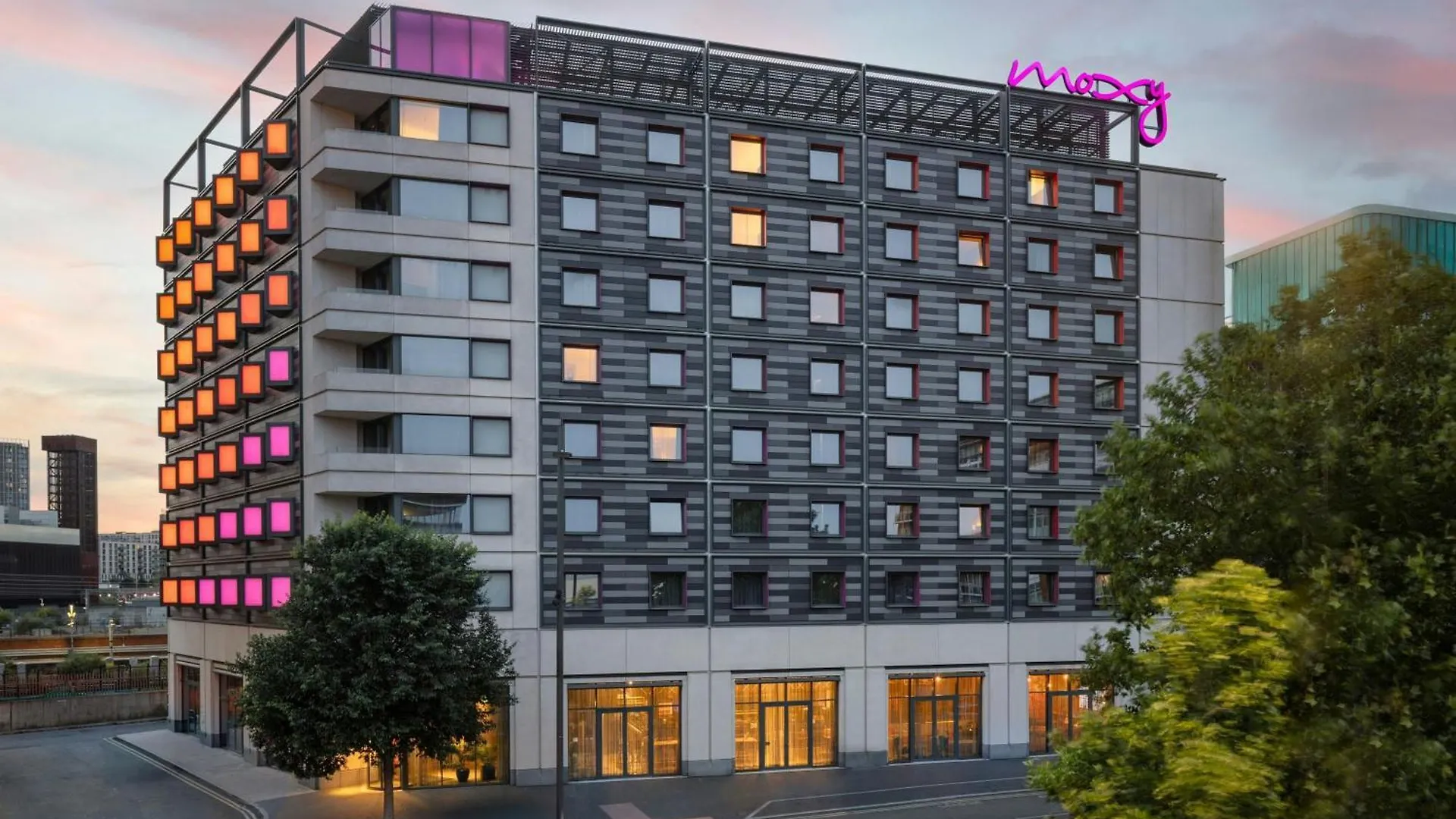
1. Moxy London Stratford
Show on map


 Check-infrom 15:00 until 23:59Check-outuntil 12:00
Just a few rooms left at the best rate!
from£ 162
Best Premium Option
This tier offers a higher level of room independence and self-contained comfort, with aparthotel-style configurations that suit longer layovers, business stays of several nights, or travellers who prefer to manage their own meals and schedule without relying on hotel dining.
-
2. Roomzzz London Stratford
Show on map


 Check-infrom 15:00 until 23:59Check-outuntil 11:00
Hurry – almost gone at this price!
from£ 86
Smart Travel & Timing Advice For Klotzsche
June through August is the busiest booking window for Klotzsche airport hotels, driven by the peak summer travel season out of DRS and the overlap with Dresden's outdoor festival calendar, including the Dresden City Festival (Stadtfest) held annually in August. During this window, last-minute availability near the airport shrinks quickly, and prices for the limited hotel inventory in Klotzsche can rise by around 30% compared to shoulder months. September and October offer the strongest balance of mild weather, lower rates, and manageable crowds - the Dresden Heath is at its best in early autumn and the Hellerau arts centre runs its main programme season. For pure transit logic - an overnight before a morning flight - booking 2 to 3 weeks ahead is sufficient outside summer; in June-August, aim for 6 weeks minimum. A one-night stay is the standard use case for Klotzsche's airport hotels; anything beyond two nights warrants reconsidering a central Dresden location with better evening infrastructure, given the S2 commute adds up in both time and fare cost over multiple days.